Yichang, China
- 1,350,150 people
- 7 places to visit
- 30.6918, 111.2863
Places to Visit (7)
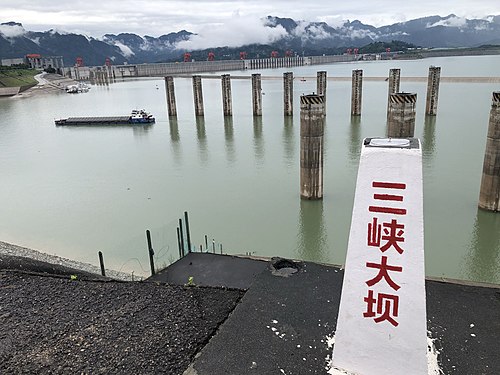
Yichang is a major city located in Hubei Province in central China, situated along the banks of the Yangtze River. With a population of over 1 million, Yichang is the administrative and economic center of the region, underpinning a rich blend of cultural heritage and modern development. Originally established over 2,000 years ago, Yichang has roots in ancient history, serving as a strategic location for trade and military movements due to its proximity to the Yangtze, which is the longest river in Asia. The city is well-known as the gateway to the Three Gorges, a renowned scenic area that attracts millions of tourists each year, offering breathtaking views and a range of outdoor activities.
Economically, Yichang has evolved into a vital hub for transportation and commerce. It features a robust industrial sector specializing in hydropower, pharmaceuticals, and textiles. The city is home to the famous Three Gorges Dam, one of the largest hydropower projects in the world, which has significantly transformed the local economy and environment since its completion in 2012. The dam plays a crucial role in flood control, electricity generation, and improved navigation along the Yangtze River. Additionally, Yichang's infrastructure includes an expanding transportation network with highways, railways, and an airport that enhance connectivity within China and to international destinations. The local culture is rich with numerous festivals, parks, temples, and historical sites, reflecting both the city’s ancient heritage and its dynamic growth in contemporary society. As such, Yichang remains a significant player in China's economic landscape, while also being cherished for its natural beauty and cultural significance.
Facts about Yichang
- Yichang is famously known as the gateway to the Yangtze River and is located near the Three Gorges Dam, the world's largest hydroelectric plant.
- The city is home to the historic and beautiful Shennongjia Forest District, a UNESCO World Heritage Site that is renowned for its biodiversity.
- Yichang has a rich cultural heritage linked to the ancient Ba and Chu kingdoms, with numerous archaeological sites reflecting this history.
- The city is the starting point for river cruises along the Yangtze River, offering breathtaking views and access to key natural and cultural landmarks.
- Yichang is known for its hot springs, particularly the Yangtze River Hot Springs, which are believed to have therapeutic properties.
- The city hosts the Yichang International Stone Sculpture Festival, an event that attracts artists and tourists from around the world to celebrate stone art.
- Yichang is recognized as a center for the production of Chinese herbal medicine, making it significant in the field of traditional Chinese medicine.
- The city features several ancient pagodas, such as the Guanyin Pavilion and the Zhenjiang Tower, which are important cultural landmarks.
- Yichang is a major transportation hub in Hubei province, with road, rail, and air connections that facilitate travel to and from the city.
- The city is renowned for its unique tea culture, particularly for producing high-quality green tea varieties that are favored both domestically and internationally.