Yogyakarta, Indonesia
- 373,589 people
- 9 places to visit
- -7.8014, 110.3648
Places to Visit (9)
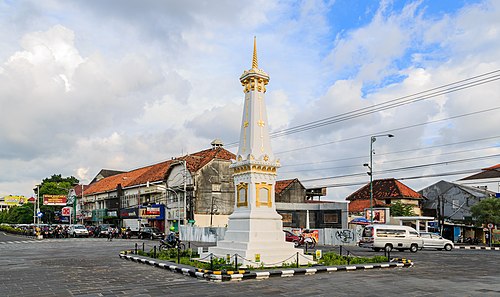
Yogyakarta, often referred to as Jogjakarta, is a vibrant city located in the central part of Java, Indonesia. It serves as the capital of the Yogyakarta Special Region and is renowned for its rich cultural heritage, historical significance, and as a center of education and art. With a population of approximately 400,000 people, Yogyakarta is smaller than many Indonesian cities, yet it stands out for its unique blend of traditions and modernity. The city is a hub for Javanese culture, characterized by traditional arts such as batik, wayang kulit (shadow puppetry), and gamelan music. These art forms not only reflect Yogyakarta's cultural identity but also attract tourists from around the world, fostering a lively atmosphere in its streets and markets.
The city's historical significance is underscored by its proximity to ancient temples, notably Borobudur and Prambanan, both UNESCO World Heritage Sites. Borobudur, the largest Buddhist temple in the world, dates back to the 9th century and features intricate stone carvings that depict various narratives of the Buddha's life. Prambanan, on the other hand, is a stunning Hindu temple complex famous for its towering structures and detailed reliefs. Yogyakarta is also recognized for its royal heritage, with the Kraton (Sultan's Palace) at its heart, serving as the residence of the Sultan and a center for Javanese culture and governance. Visitors can explore the Kraton’s architecture and gardens, gaining insights into the city's traditional customs and history. Furthermore, Yogyakarta is known for its educational institutions, including Gadjah Mada University, one of Indonesia's oldest and most prestigious universities, enhancing the city’s youthful and academic ambiance.
Economically, Yogyakarta thrives on tourism, education, and local crafts. It is a popular destination for both domestic and international visitors who are drawn to its rich history, artistic expressions, and beautiful landscapes. The city's lively street life is complemented by a variety of culinary offerings, from street food stalls to upscale restaurants, where travelers can indulge in traditional Javanese dishes like gudeg and soto. The vibrant markets, particularly Malioboro Street, showcase local handicrafts and batik textiles, adding to the city’s dynamic atmosphere. Time and again, Yogyakarta has cemented its reputation as a cultural capital of Indonesia, where the past seamlessly coexists with the present, making it an appealing destination for those seeking both educational experiences and authentic Indonesian culture.
Facts about Yogyakarta
- Yogyakarta is one of the few remaining royal cities in Indonesia, serving as the official seat of the Sultanate of Yogyakarta.
- The city is known for its rich cultural heritage, being a center for Javanese arts, including batik, wayang kulit (shadow puppetry), and traditional dance.
- Yogyakarta is home to the world-renowned Borobudur Temple, the largest Buddhist temple in the world, and is a UNESCO World Heritage site.
- The city is often referred to as 'Jogja' and is famous for its unique 'Jogja' spirit, which emphasizes hospitality, friendliness, and artistic expression.
- Yogyakarta is a major center for higher education in Indonesia, housing prestigious institutions such as Gadjah Mada University and Universitas Islam Indonesia.
- The city played a significant role in the Indonesian National Revolution against Dutch colonial rule, serving as the temporary capital of Indonesia from 1946 to 1949.
- Yogyakarta is known for the iconic Malioboro Street, a shopping street that is famous for street vendors, local handicrafts, and traditional cuisine.
- The city hosts the annual Yogyakarta Literature Festival, which attracts literary figures and promotes Indonesian literature on a global scale.
- Yogyakarta is distinct for its culinary scene, which includes traditional dishes such as Gudeg, a jackfruit stew, and a variety of street food offerings.
- The Kraton (Sultan's Palace) in Yogyakarta is a living cultural heritage site that continues to serve as the residence of the Sultan and is a source of traditional ceremonies and performances.