Yopal, Colombia
- 168,433 people
- 5 places to visit
- 5.3489, -72.4005
Places to Visit (5)
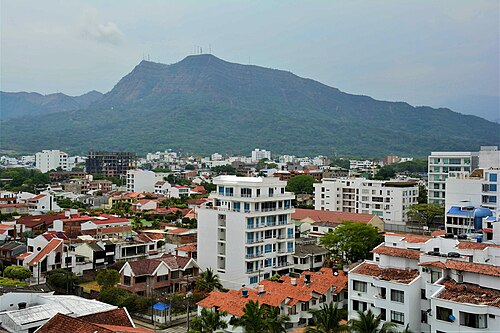
Yopal is the capital of the Casanare department in Colombia, located in the eastern part of the country. Established as a municipality in 1992 and later designated as the department’s capital, Yopal lies at an altitude of approximately 360 meters (1,180 feet) and is situated on the banks of the Cravo Sur River. The city serves as a vital administrative and commercial hub for the region, which is known for its diverse ecosystems that include plains, wetlands, and rich biodiversity. Yopal’s geographic location places it within the Orinoquía region, characterized by its vast savannas and significant agricultural activities, predominantly cattle ranching and agriculture.
Historically, Yopal emerged in the late 19th century, initially serving as a settlement for cattle ranchers in the area. With the discovery of oil in the region in the 20th century, the economy of Yopal grew significantly, transforming the city into an important center for oil exploration and production in Colombia. Today, Yopal is known for its energetic cultural scene, with numerous festivals and events showcasing local traditions, music, and gastronomy. The city is also experiencing urban development and infrastructure improvements, making it an attractive place for internal migrants and newcomers seeking economic opportunities. The surrounding natural landscapes, including the Cusiana and Lipa rivers, provide recreational activities such as fishing and ecotourism, further enhancing Yopal’s appeal as a growing urban center in Colombia.
Facts about Yopal
- Yopal is the capital of the Casanare department, which is known as the 'llanos' region of Colombia, characterized by vast plains and a rich biodiversity.
- The city is famous for its cattle ranching and is often referred to as the 'Cattle Capital of Colombia', contributing significantly to the country's meat and dairy industries.
- Yopal is strategically located at the confluence of several rivers, such as the Cravo Sur and the Cusiana, making it an important hub for transportation and commerce in the Llanos.
- The city hosts the annual 'Festival de la Cultura Llanera', a cultural event that celebrates the traditions, music, and folklore of the Llanos region, attracting visitors from across Colombia.
- Yopal is known for its unique cuisine, which includes traditional dishes such as 'bocachico' fish and 'arepas de yuca', setting it apart from other regions in Colombia.
- The city features the iconic 'Plaza de Yopal', a central square that serves as a gathering place for social and cultural activities, showcasing local architecture and community life.
- Yopal is surrounded by stunning landscapes, including the Parque Natural El Tuparro, which is part of a larger protected area that boasts diverse wildlife and ecosystems.
- The city has a growing economy largely driven by oil extraction, agriculture, and livestock, differentiating it from other Colombian cities that may rely more on tourism or manufacturing.
- Yopal's climate is characterized by a distinct tropical savanna climate, with much of the region experiencing seasonal rainfall patterns that influence local agriculture and lifestyle.
- The city is home to several indigenous communities, particularly the Guahibo and Sikuani peoples, whose cultural heritage contributes to the rich tapestry of Yopal's identity.