Yorii, Japan
- 32,851 people
- 10 places to visit
- 36.1184, 139.193
Places to Visit (10)
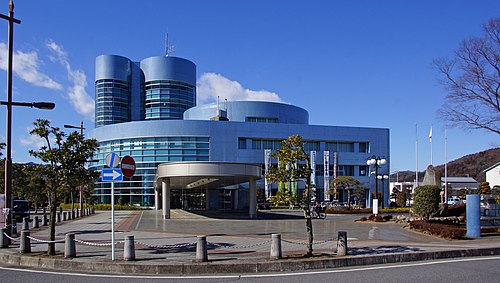
Yorii is a town located in Saitama Prefecture, Japan, situated approximately 70 kilometers northwest of Tokyo. Nestled along the banks of the Arakawa River, Yorii is known for its picturesque landscape that combines modern living with a rural charm. The town was established in 1889 and was officially designated as a town in 1956. Over the years, it has retained a sense of tranquility and accessibility to nature while being connected to larger urban centers through a network of railways and highways. The main train line serving Yorii is the JR East's Kawagoe Line, which provides convenient access to major cities, making it an appealing location for those who commute.
Yorii is home to several cultural and historical landmarks, including the iconic Yorii Observatory, which offers stunning views of the surrounding countryside. The town is also known for its cherry blossom trees, particularly along the Arakawa River, where annual festivals celebrate the blooming season. The local economy is diverse, with agriculture playing a significant role; rice, vegetables, and flowers are prominent products that reflect the fertile land. In addition, Yorii boasts a number of traditional festivals throughout the year, showcasing the rich local culture and community spirit. Although Yorii is relatively small, its blend of natural beauty, modern amenities, and historical significance make it a unique and charming destination within Japan.
Facts about Yorii
- Yorii is known for its rich historical background, with archaeological sites that reveal Jomon period artifacts.
- The city is home to the unique Saitama Speed Skating Center, which was built for the 1990 Winter Olympic Games in Albertville but has since become a notable venue for domestic events.
- Yorii's 'Yorii Matsuri' is a vibrant festival held annually, showcasing traditional Japanese performances and parades, distinguishing it from other local festivals in the region.
- The city features the stunning 'Yorii Green Mega Solar Power Plant,' one of the largest solar power facilities in Japan, contributing significantly to the country's renewable energy goals.
- Yorii is surrounded by natural beauty, including the scenic Arakawa River, which offers numerous recreational activities such as kayaking and fishing.
- The town is famous for its local delicacies, including the Yorii Pumpkin, recognized for its sweet flavor and moderate size.
- Yorii has a notable connection to the NHK series 'Miyamoto Musashi', as a significant filming location that draws history and film enthusiasts alike.
- The city hosts the 'Jomon no Sato' museum, which specializes in the ancient Jomon culture, offering unique insights into Japan's prehistoric era.
- Yorii is a member of the 'Network of International Cities,' which emphasizes global connections and cultural exchanges with cities around the world.
- The Yoshida River in Yorii is not just a natural landmark but is also celebrated for its seasonal cherry blossoms, drawing visitors in spring from other parts of Japan.