Youngstown OH, United States
- 64,628 people
- 17 places to visit
- 41.0998, -80.6495
Places to Visit (17)
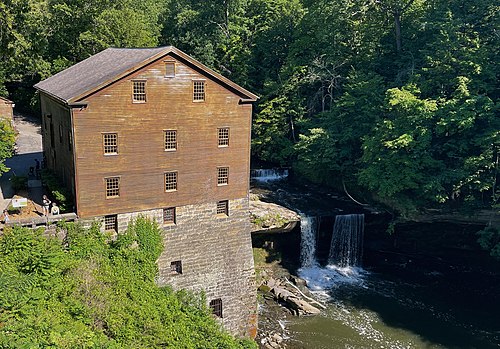
Youngstown, Ohio, is a city located in the northeastern part of the state, within the Mahoning County. Established in 1796 and named after John Young, an early landowner, the city grew significantly during the 19th and early 20th centuries, largely due to the booming steel industry. Youngstown became a prominent industrial center, known for steel production and manufacturing, particularly during the peak years of the American industrial revolution. At its height, the city's population surpassed 170,000, making it one of the largest cities in Ohio. The steel mills, such as the Youngstown Sheet and Tube Company, played a crucial role in the local economy and attracted a diverse workforce, contributing to the city's cultural and demographic landscape.
However, the decline of the steel industry in the 1970s led to significant economic challenges, population loss, and social upheaval. Many factories closed or relocated, resulting in unemployment and a drop in Youngstown's population to around 65,000 by the 2020 census. In response to these challenges, the city has sought to reinvent itself through various urban revitalization efforts, focusing on education, healthcare, and technology. Youngstown State University, a major institution in the area, contributes to the local economy and community. The city has also embraced initiatives to improve its infrastructure, increase public safety, and foster community engagement. Efforts to attract new industries, including advanced manufacturing and technology sectors, are underway as Youngstown seeks to build a more sustainable and diverse economic base for the future. Despite its past struggles, the city, with its rich history, resilience, and commitment to renewal, continues to adapt and evolve as it moves forward.
Facts about Youngstown
- Youngstown was once the center of steel manufacturing in the United States, earning it the nickname 'Steel City' during the early 20th century.
- The Youngstown Sheet and Tube Company was one of the largest steel producers in the country and played a significant role in the city's economic landscape until the steel industry decline in the 1970s.
- Youngstown is home to the historic and architecturally notable Youngstown State University, founded in 1908, which significantly contributes to the city's culture and education.
- The Butler Institute of American Art, located in Youngstown, was the first museum in the United States dedicated exclusively to American art.
- The city's Youngstown-Warren Regional Airport is known for being one of the few airports in the country that operates under a combined authority with a focus on both Youngstown and nearby Warren.
- Youngstown has a rich and diverse history of immigration, particularly from Eastern Europe, which has shaped its cultural landscape, seen in events like the annual Greater Youngstown Italian Fest.
- In the 1950s, Youngstown was also known for the 'Youngstown Model' of urban development, which aimed at building a thriving community of residential, commercial, and public spaces.
- Youngstown has a notable historic district that includes the Wick Recreation Area, which features a mansion designed by acclaimed architect Ernest G. Hartman.
- The city was a key location during the 1970s steel crisis and has since transformed its economy, focusing on sectors like education, healthcare, and technology.
- Youngstown is famous for its pizza, particularly the unique style known as 'Youngstown-style pizza,' which features a thinner crust and a slightly sweet sauce.