Yoyogi, Japan
- 24,125 people
- 15 places to visit
- 35.6822, 139.6937
Places to Visit (15)
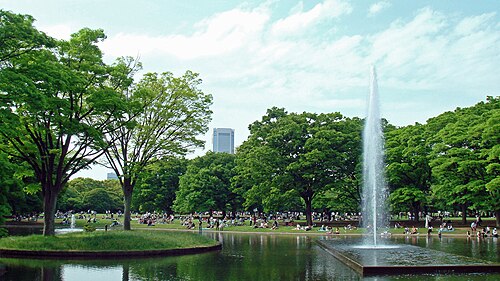
Yoyogi is a vibrant district located in the Shibuya ward of Tokyo, Japan. Known for its blend of modern and traditional influences, Yoyogi is situated adjacent to the sprawling Yoyogi Park, one of the largest parks in Tokyo. The area is characterized by its lively atmosphere, with a mix of parks, residential neighborhoods, shopping, and entertainment options. Yoyogi Park itself is a popular spot for locals and tourists alike, offering a spacious green oasis that hosts various events, fitness activities, and seasonal festivals. The park is particularly famous for its cherry blossoms in spring, drawing visitors who come to enjoy hanami, the traditional practice of viewing cherry blossoms.
Yoyogi's accessibility is further enhanced by its excellent transport links, primarily via the Yoyogi Station and the nearby Harajuku Station, which connect it to the broader Tokyo area. The district is also close to other notable areas such as Harajuku, known for its unique fashion scene and youth culture, and Shibuya, recognized for its iconic scramble crossing and bustling urban life. This strategic location makes Yoyogi a hub for both residents and visitors seeking to experience Tokyo's rich cultural tapestry. Alongside parks and bustling streets, Yoyogi features an array of cafes, shops, and restaurants that cater to diverse tastes, making it a popular destination for food enthusiasts.
In addition to its modern urban appeal, Yoyogi is steeped in history. One notable landmark is the Yoyogi National Gymnasium, built for the 1964 Tokyo Olympics, which showcases a unique architectural design by the renowned architect Kenzo Tange. This historic building remains a testament to Japan’s post-war development and is currently used for various sporting and cultural events. With its mix of cultural significance, recreational spaces, and urban vibrancy, Yoyogi embodies the dynamic spirit of Tokyo, serving as a reflection of both its rich past and its contemporary lifestyle. As a result, it draws a diverse range of visitors, from casual tourists to dedicated urban explorers, all eager to experience the unique character of this lively district.
Facts about Yoyogi
- Yoyogi is home to Yoyogi Park, one of the largest city parks in Tokyo, known for its spacious lawns, cherry blossoms, and recreational areas, making it a popular destination for picnics and outdoor activities.
- The Yoyogi National Gymnasium, built for the 1964 Tokyo Olympics, is an iconic architectural feat designed by Kenzo Tange, recognized for its distinctive A-frame structure and suspension roof.
- Yoyogi's proximity to Harajuku makes it a hub for youth culture and fashion, often characterized by its vibrant street style and the famous Takeshita Street, known for its unique shops and cafes.
- The area hosts the popular Yoyogi Animation Academy, which offers specialized training in animation and manga, attracting aspiring artists from across Japan and abroad.
- Yoyogi is known for its diverse food scene, featuring a mix of traditional Japanese cuisine and international eateries, highlighting its cosmopolitan nature.
- The Yoyogi neighborhood is also famous for the Yoyogi Park Flea Market, held regularly, where visitors can find unique vintage items, clothes, and handmade crafts.
- Yoyogi has a strong community spirit, often hosting various local festivals and events, such as the annual Yoyogi Park Music Festival, showcasing both amateur and professional artists.
- Historically, Yoyogi was used for military training during the Edo period, and remnants of this history can be seen in the area around the Meiji Shrine.
- The Yoyogi area is considered a cultural hotspot, with institutions such as the NHK Broadcasting Center, which offers tours and exhibitions related to Japanese broadcasting history.
- Yoyogi is also notable for its blend of traditional and modern architecture, with the historic Yoyogi Village boasting charming wooden houses alongside contemporary developments.