Yueyang, China
- 991,465 people
- 7 places to visit
- 29.3573, 113.1292
Places to Visit (7)
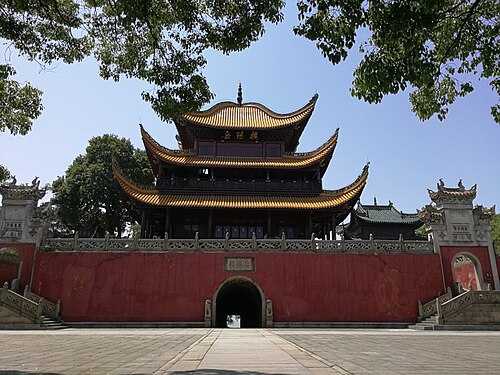
Yueyang is a city located in the Hunan Province of southern China, situated along the eastern bank of Dongting Lake. It is one of the major cities in the province and serves as a significant economic, cultural, and transportation hub in the region. The city's history dates back over 2,000 years, making it a place rich in historical significance and cultural heritage. Yueyang is especially known for its picturesque landscapes, which include the stunning views of Dongting Lake and the surrounding hills, attracting tourists and locals alike. Its strategic position near the Yangtze River also enhances its role as a transportation center, facilitating trade and commerce.
The city is perhaps best known for the Yueyang Tower, a historic structure that is celebrated for both its architectural elegance and its literary significance. Originally built during the period of the Three Kingdoms (around the 3rd century), the tower has undergone several reconstructions and renovations over the centuries, each adding to its storied past. It became famous through the poem "Yueyang Tower" by the renowned poet Fan Zhongyan during the Song Dynasty, which reflects the morals and aspirations of the era. In addition to its cultural landmarks, Yueyang is also a center for agriculture, particularly rice cultivation, benefiting from the fertile lands found in the region. The city's economy is further bolstered by industries such as textiles, machinery, and food processing, making it an essential contributor to Hunan's overall economic landscape. With a blend of natural beauty, rich history, and economic activity, Yueyang stands as a noteworthy city in China's diverse tapestry.
Facts about Yueyang
- Yueyang is home to the famous Yueyang Tower, one of the Four Great Towers of China, which has inspired numerous poets and artists throughout centuries.
- The city is situated on the shores of Dongting Lake, the second-largest freshwater lake in China, known for its rich biodiversity and migratory bird populations.
- Yueyang has a history dating back over 2,500 years and is recognized for its strategic military importance during various dynasties due to its location on the Yangtze River.
- The city is known for its unique local cuisine, particularly the Yueyang rice noodles, which are renowned for their distinct texture and flavor.
- Yueyang is the birthplace of the ancient military strategist and philosopher Sun Tzu, author of 'The Art of War', although he is more commonly associated with the region of Qi.
- The city hosts the annual Yueyang International Culture & Arts Festival, celebrating local traditions, arts, and culture, which attracts participants and visitors from around the world.
- Yueyang's Dongting Lake is a crucial stopover for migratory birds, making it an important area for birdwatching and ecological research.
- The city has been historically significant in the development of Chinese literature, with renowned poets like Fan Zhongyan writing about the beauty and cultural significance of Yueyang.
- Yueyang's ancient city walls showcase a mix of architectural styles and are a testament to the city's historical significance and military heritage.
- The city is known for its unique traditional crafts, such as hand-woven bamboo products, which reflect the local culture and contribute to its economy.