Zabrze, Poland
- 192,177 people
- 17 places to visit
- 50.2986, 18.7869
Places to Visit (17)
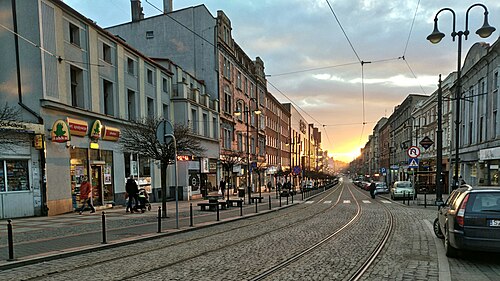
Zabrze is a city located in southern Poland, within the Silesian Voivodeship, known for its rich industrial heritage and historical significance. Nestled in the Upper Silesia region, Zabrze is part of the Silesian Metropolis, an urban area comprising multiple cities. The city was officially established in the 13th century and grew significantly due to the mining and metallurgy industries, particularly coal mining, which became its economic backbone in the 19th century. As of 2021, Zabrze had a population of approximately 175,000 residents, reflecting its status as a key urban center in the region.
Zabrze has made efforts to transition from its industrial roots towards a more diversified economy, embracing modernization and regeneration projects. This includes investments in culture, education, and sustainable urban development. The city's historical architecture, including the landmark St. John's Church and the historic buildings associated with the coal mining sector, is complemented by its modern amenities. Zabrze is also home to several educational institutions, sports facilities, and cultural venues. The city is recognized for its green spaces, such as the Park im. Powstańców Śląskich, which attracts residents and tourists alike. Zabrze enjoys a strategic location with good transport connections to other major cities in the region, including Katowice and Gliwice, contributing to its ongoing development and appeal as a place to live and work.
Facts about Zabrze
- Zabrze is known for its rich industrial heritage, particularly in coal mining, and is home to the Guido Mine, a historical site that allows visitors to explore the underground workings of a coal mine.
- The city features the Silesian Museum of Technology, which showcases the region's industrial past and the evolution of technology in Poland.
- Zabrze hosts the largest football stadium in the Silesian Voivodeship, the Górnik Zabrze Stadium, which is the home of the iconic Górnik Zabrze football club.
- The city was once part of the Prussian Empire and has a mixed cultural heritage, with influences from Polish, German, and Czech communities.
- Zabrze is notable for its unique network of underground water reservoirs and infrastructures dating back to the 19th century, which were used for draining coal mines and are still functional today.
- The city is also known for the renowned Zabrze Philharmonic, which plays an essential role in the cultural life of the region, hosting various concerts and events.
- Zabrze has a strong artistic community and organizes the 'Zabrze Art Festival', which features exhibitions, workshops, and performances that promote local artists.
- The city was an important center for the Silesian uprisings in the early 20th century, which played a significant role in defining the Polish-German border after World War I.
- Zabrze is home to the famous Rotunda of St. Joseph, an architectural gem with a unique circular design and plans to preserve its historical significance.
- In recent years, Zabrze has invested in urban renewal and green spaces, transforming former industrial areas into parks and recreational facilities, distinguishing it from other industrial cities.