Zadar, Croatia
- 67,309 people
- 14 places to visit
- 44.1194, 15.2314
Places to Visit (14)
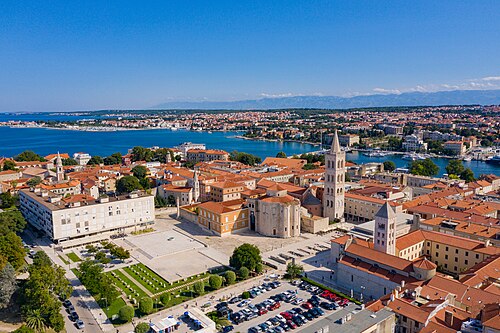
Zadar, a historic city located along the Adriatic Sea in Croatia, serves as the administrative center of the Zadar County. With its origins dating back to the Roman era, Zadar has a rich history, evident in its well-preserved architectural and cultural heritage. The city's strategic location has made it a significant hub throughout various periods, including the Roman, Byzantine, and Venetian eras. Notably, Zadar is home to the Roman Forum, established in the 1st century BC, which showcases remnants of ancient temples and structures. The city is also known for its medieval churches, including the Cathedral of St. Anastasia, the largest in Dalmatia, and the Church of St. Donatus, a stunning representation of pre-Romanesque architecture.
Modern Zadar is a vibrant tourist destination, offering a mix of historical exploration and contemporary attractions. One of the city's most renowned features is the Sea Organ, an architectural marvel that produces music through the movement of sea waves, creating a unique interaction between nature and art. Close by, the Sun Salutation installation transforms solar energy into a mesmerizing light display at night. Zadar's coastline boasts numerous beaches and islands, making it a popular spot for sailing and water sports. Furthermore, Zadar serves as a gateway to several national parks, including the stunning Kornati and Paklenica National Parks, which draw nature enthusiasts and adventure seekers alike. Cultural festivals, delicious local cuisine, and a lively atmosphere throughout the summer months further enhance Zadar's appeal, making it a blend of historical depth and modern tourist charm that captivates visitors.
Facts about Zadar
- Zadar is home to the Sea Organ, an architectural marvel that plays music through the movement of sea waves and air, making it the only sea instrument of its kind in the world.
- The city features the Greeting to the Sun installation, which consists of a solar panel array that creates a stunning light display at night, showcasing the synergy between technology and nature.
- Zadar is known for its unique historical blend of Roman, Byzantine, and Venetian influences, with remnants of Roman walls, ancient churches, and Venetian palaces throughout the city.
- The Church of St. Donatus, dating back to the 9th century, is one of the best-preserved examples of early Byzantine architecture, distinguished by its circular shape and unique design.
- Zadar was the first city in Croatia to become part of the European Union after the country joined the EU in 2013, making it a significant political landmark for the nation.
- The city has a rich connection to Alfred Hitchcock, who once described Zadar's sunset as the most beautiful in the world, which has since become a point of pride for locals.
- Zadar's historical significance was recognized by UNESCO when it declared the Roman Forum and other monuments as part of the World Heritage Site 'Venetian Works of Defence.'
- Zadar has been the center of the Liburnian civilization, which predates the Romans, making it one of the oldest continuously inhabited regions in Croatia.
- The city is also known for its rich culinary scene, where visitors can enjoy unique local dishes such as paški sir (sheep cheese) and fresh seafood, distinguishing it from other coastal cities.
- Zadar plays host to several annual festivals, including the Sea Organ Festival and the Advent Zadar, which features holiday markets and cultural events, highlighting the city's vibrant community spirit.