Żagań, Poland
- 26,251 people
- 8 places to visit
- 51.6178, 15.3248
Places to Visit (8)
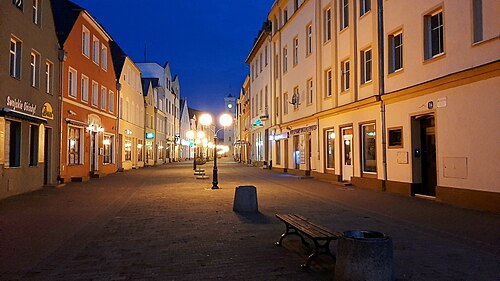
Żagań is a picturesque town located in western Poland, within the Lower Silesian Voivodeship. Situated along the Bóbr River, it is approximately 30 kilometers northwest of Wrocław, making it accessible and well-connected. With a population of around 18,000 residents, Żagań has a rich history that dates back to the Middle Ages. The town has developed through various historical epochs, witnessing the rise and fall of numerous empires and political entities, including the Polish, Czech, and German influences, which are evident in its architecture and cultural practices.
One of the town's most prominent features is the Żagań Castle, a Gothic-Renaissance structure that was originally built in the 11th century. The castle has undergone numerous renovations and serves as a testament to the region's grand history. It houses a museum that showcases local art and historical exhibits. In addition to the castle, the town is known for its well-preserved buildings, including St. Adalbert Church and several charming market square facades, which reflect the architectural styles of different periods. The town also hosts various cultural events and festivals throughout the year, further enriching its cultural landscape.
Żagań is surrounded by lush forests and scenic landscapes, making it an attractive destination for nature enthusiasts and outdoor activities such as hiking and cycling. The town is also known for its commitment to preserving the environment, with several parks and green spaces that provide recreational opportunities for residents and visitors alike. Efforts to foster a sense of community and promote local heritage are evident in the town's initiatives to support local artisans and maintain traditions. Overall, Żagań offers a unique blend of historical significance, natural beauty, and cultural vibrancy, making it an intriguing location within Poland.
Facts about Żagań
- Żagań is known for its historic castle, the Żagań Castle, which dates back to the 13th century and showcases a blend of Gothic, Renaissance, and Baroque architecture.
- The city is home to the famous Żagań Forest, an expansive natural area that has long been a site for military training and outdoor activities.
- Żagań hosted the renowned 15th-century order of the Knights of St. John, which has left a significant mark on the town's historical development and architecture.
- The city has a rich history of military significance, serving as a garrison town for various armies over the centuries, particularly during World War II.
- Żagań has a unique connection to the story of the Great Escape, as it was part of the escape route for Allied prisoners during World War II, inspiring the famous film.
- The town is renowned for its annual events, including the Żagań Cultural Festival, which celebrates the local arts, music, and traditions.
- Żagań is also known for the Franciscan Church of St. Hedwig, a landmark built in the 18th century that is notable for its beautiful Baroque interior.
- The city was a significant site for the development of the Silesian textile industry in the 19th and early 20th centuries, which contributed to its economic growth.
- Żagań has an artistic community that thrives, with various galleries and workshops reflecting the city’s creative spirit and local artisanship.
- The city's location in the Lubusz Voivodeship gives it a unique blend of Polish and German influences, resulting in a distinctive cultural atmosphere.