Zagreb, Croatia
- 663,592 people
- 11 places to visit
- 45.815, 15.9819
Places to Visit (11)
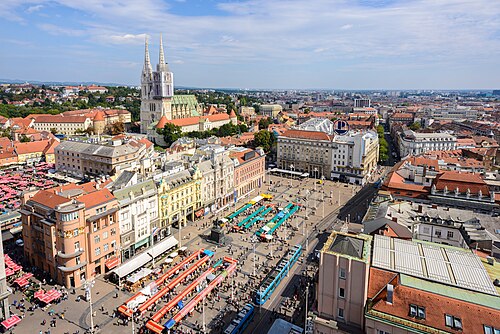
Zagreb, the capital city of Croatia, is a vibrant metropolis situated at the southern slope of the Medvednica Mountain, along the Sava River. With a population of approximately 800,000, it represents the country's political, economic, and cultural center. The city itself is a blend of 18th and 19th-century architecture, highlighted by its historic Upper Town, which boasts medieval buildings, narrow cobblestone streets, and landmarks like St. Mark's Church with its iconic colored roof. The vibrant Lower Town, featuring spacious squares and wide boulevards, is home to numerous cafes, shops, and institutions, reflecting Zagreb's dynamic urban life. The city enjoys a continental climate, with warm summers and cold winters, further fostering outdoor activities and seasonal events.
Zagreb's rich cultural scene is evident through its many museums, galleries, and theaters. The Croatian National Theater, alongside the Museum of Broken Relationships and the Contemporary Art Museum, showcases the city's diverse artistic expression. The city hosts various annual festivals, including the Zagreb Film Festival and INmusic festival, which attract both national and international audiences. Additionally, Zagreb has a strong educational presence, with several universities and colleges offering a wide range of programs, contributing to its youthful and energetic atmosphere. The city's public transport system, comprising trams and buses, facilitates easy travel, allowing both locals and visitors to explore its numerous parks, historical sites, and modern amenities. Its proximity to beautiful natural landscapes, such as the nearby Plitvice Lakes National Park and the Adriatic coast, further enhances its appeal as a city that seamlessly combines urban life with the beauty of nature.
Facts about Zagreb
- Zagreb is Croatia's capital and largest city, serving as the political, economic, and cultural heart of the country.
- The city is known for its unique blend of 18th and 19th-century Austro-Hungarian architecture alongside modern designs, particularly visible in the Upper Town and Lower Town.
- Zagreb is home to the world's shortest tram line, the 1.1 kilometer route called 'Line 1', which runs through the city center.
- The city hosts the famous Advent in Zagreb, recognized as one of the best Christmas markets in Europe, attracting tourists from around the world.
- Zagreb has a rich cultural scene, with over 30 museums, including the unique Museum of Broken Relationships, which highlights personal stories of love and loss.
- The first city park in Croatia, Maksimir Park, was established in Zagreb in 1787, making it a significant location for the city's green spaces.
- Zagreb's streets are adorned with numerous street art pieces and murals, making it a vibrant hub for contemporary art and creativity.
- The city is also known for its numerous funiculars, with the Zagreb Funicular being one of the oldest working funiculars in the world, connecting Upper and Lower Town.
- In Zagreb, you can find the Croatian National Theater, one of the oldest national theaters in the region, dating back to 1895.
- The city has a significant coffee culture, exemplified by a plethora of charming cafes, making it a popular meeting point for locals and visitors alike.