Zalău, Romania
- 63,232 people
- 11 places to visit
- 47.1855, 23.0573
Places to Visit (11)
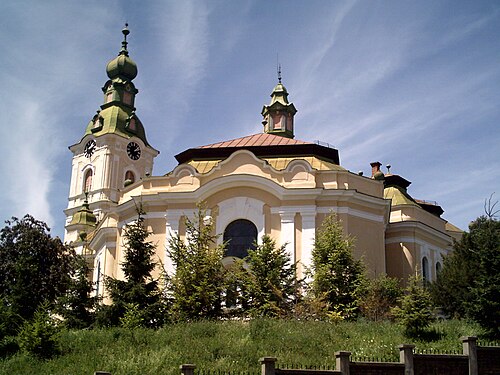
Zalău is a city located in the northwestern part of Romania, serving as the capital of Sălaj County. Nestled in the valleys between the Nandru and Morica hills, Zalău is situated approximately 70 kilometers from the city of Cluj-Napoca and is strategically positioned within the historic region of Transylvania. The city has a rich historical background, with traces of settlement dating back to ancient times, including remnants from the Dacian and Roman periods. Archaeological findings indicate that the area was inhabited by several cultures over the centuries, including the Celts and the Roman colonists, who established a community called "Porolissum." This Roman settlement was a vital military and commercial hub, and its well-preserved ruins remain a significant tourist attraction today.
In modern times, Zalău has evolved into an important administrative and economic center in Sălaj County. The economy of the city is diversified, featuring sectors such as manufacturing, agriculture, and services. The presence of industries related to metallurgy, construction materials, and food processing reflects this diversity. The city is also known for its educational institutions, which cater to students from the region and contribute to local development. Cultural life in Zalău thrives through various events, including local festivals and celebrations that highlight traditional crafts and folklore. The city is home to notable landmarks, including the Orthodox Cathedral, completed in 1936, and the historic buildings reflecting its architectural heritage from different eras. Zalău's picturesque surroundings and rural landscapes make it an attractive destination for both residents and visitors looking to explore the natural beauty and cultural richness of this part of Transylvania.
Facts about Zalău
- Zalău is known for its rich Roman history, with archaeological sites that reflect its past as a significant settlement during the Roman Empire.
- The city is home to the 'Well of Zalău', an ancient water source that is believed to date back to the Roman period and is among the city's oldest known structures.
- Zalău is famous for its thermal baths and spa resorts, particularly in the nearby area of Zalău Spa, enhancing its appeal as a wellness destination.
- The 'Zalău Fortress' ruins provide insight into the medieval fortifications of the region and are a key historical landmark, showcasing the city's strategic importance.
- Zalău hosts the 'Salaj County Museum', which features both archaeological artifacts and exhibits on the region’s ethnography and culture.
- The city has a unique blend of architectural styles, with buildings that reflect various historical periods, including Baroque, Modernist, and Neo-Classical influences.
- Zalău organizes the annual 'Zalău Days', a cultural festival that celebrates local traditions, music, and crafts, attracting visitors from around the region.
- The city is also known for its vibrant market scene, especially the Zalău Market, which offers a wide array of local products and fosters community interaction.
- Zalău's location along the Someș River provides picturesque views and opportunities for outdoor activities, distinguishing it from other urban areas.
- It is recognized for its educational institutions, particularly in vocational training, having several renowned schools that cater to various fields.