Zamboanga, Philippines
- 457,623 people
- 10 places to visit
- 6.9214, 122.079
Places to Visit (10)
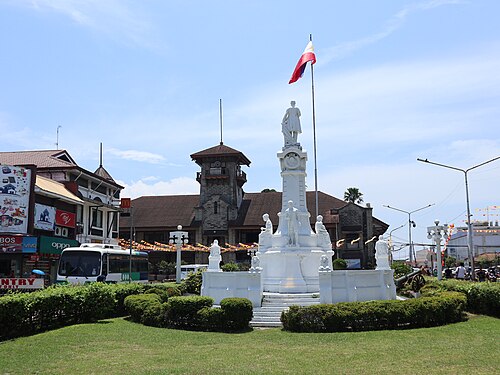
Zamboanga City, located on the southwestern tip of Mindanao in the Philippines, is known for its rich cultural heritage and strategic importance as a port city. Often referred to as the "City of Flowers" due to its abundance of the "sampaguita," the national flower, Zamboanga is home to a diverse population that includes ethnic groups such as Chavacano, Tausug, and Subanen. This diverse mix has resulted in a unique blend of languages, traditions, and cuisines, notably reflected in the local dialect, Chavacano, which is derived from Spanish. The city plays a vital role in the economy of the region, serving as a commercial and trade center due to its location facing the Sulu Sea and the Celebes Sea, making it a gateway to nearby islands and countries.
Zamboanga is also rich in history and natural attractions. Established by the Spanish colonial government in the late 16th century, the city features several historic landmarks, such as Fort Pilar, built in 1635, which serves as a symbol of the city's colonial past. The Zamboanga City Hall, with its distinctive architecture, is another notable landmark. The city is renowned for its annual Zamboanga Hermosa Festival, celebrated in October, which showcases the vibrant culture, music, and dance of the region. Ecotourism plays a significant role in the local economy, with attractions like the Pasonanca Park, known for its lush greenery and waterfalls, and the nearby beaches of Sta. Cruz and Sangali, offering opportunities for relaxation and adventure. Furthermore, Zamboanga is a melting pot of flavors, where various cuisines, especially seafood, street food, and traditional dishes like curacha (a type of crab) and satti (grilled meat skewers), attract both locals and tourists alike.
Facts about Zamboanga
- Zamboanga is known as the 'City of Flowers' and is famous for its colorful and diverse blooms, including the indigenous watusi flower.
- The city is home to the unique Chavacano language, a Spanish-based creole that reflects the cultural heritage of the region.
- Zamboanga hosts the famed Merienda Cena, a cultural food festival that showcases the local delicacies and culinary traditions of the area.
- The city has historically been a melting pot of cultures, influenced by Malay, Spanish, Chinese, and American settlers, which is reflected in its diverse population and traditions.
- Zamboanga is the site of the historic Fort Pilar, a 17th-century military defense fortress that now serves as a shrine for the Virgin Mary and a popular tourist destination.
- It is the host of the annual Zamboanga Hermosa Festival, celebrated every October, showcasing the city's rich culture through street dancing, food fairs, and other cultural activities.
- Located in the southern part of the Philippines, Zamboanga is one of the closest urban areas to the Malaysian and Indonesian borders, making it a key point for trade and cultural exchange.
- The city has a thriving fishing industry, being one of the largest producers of fish and seafood in the Philippines, which contributes significantly to its economy.
- Zamboanga's economy is bolstered by the presence of the Zamboanga Economic Zone and Freeport Authority, attracting businesses and investors to the region.
- Zamboanga is known for its unique ‘Samboangan’ or 'Panglima Estino' boat without outriggers, a traditional vessel that reflects the maritime heritage of the local communities.