Zamora, Spain
- 66,293 people
- 11 places to visit
- 41.5035, -5.7468
Places to Visit (11)
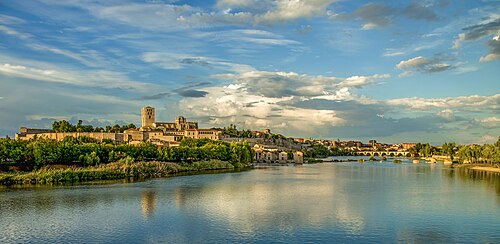
Zamora is a historic city located in the autonomous community of Castile and León, northwestern Spain. It is situated along the banks of the Duero River, approximately 60 kilometers from the Portuguese border. The city has a rich cultural heritage, characterized by its well-preserved medieval architecture and numerous religious structures. Zamora is often referred to as the "city of churches" due to the presence of over 20 Romanesque churches, many of which date back to the 11th and 12th centuries. The most notable of these is the Cathedral of Zamora, with its impressive dome that is one of the largest of its kind in Spain. The historical center is a labyrinth of narrow streets that reflect the city’s strategic importance during the medieval period.
Zamora is also renowned for its vibrant Semana Santa, or Holy Week celebrations, which are recognized as a Festival of International Tourist Interest. The processions are marked by their solemnity and the distinctive attire of the participants, originating from various religious brotherhoods that date back centuries. Besides its religious significance, the city is famous for its culinary offerings, particularly the local cheeses, wines, and the traditional dish of "cordero asado," or roasted lamb. The region is part of the wine-producing area known as DO Toro, which is celebrated for its robust red wines. Economic activities in Zamora have historically centered on agriculture and livestock, though tourism now plays a significant role, drawing visitors attracted by the city's historical charm and cultural events.
Overall, Zamora combines a rich historical narrative with a lively cultural scene, making it a captivating destination for those interested in exploring Spain's architectural and culinary treasures. Its combination of landmarks, traditions, and natural beauty provides an insight into the region’s past, while also offering modern amenities and attractions for visitors. The preservation of its historical sites alongside vibrant local customs ensures that Zamora remains an essential part of Spain's cultural tapestry.
Facts about Zamora
- Zamora is renowned for having the highest number of Romanesque churches per square kilometer in Europe, with over 20 significant examples dating back to the 12th century.
- The city is famous for its Semana Santa (Holy Week) celebrations, which are recognized as a Festival of International Tourist Interest due to their unique and solemn processions.
- Zamora is home to the historic Zamora Castle, which dates back to the 10th century and offers fantastic views of the Douro River and the city.
- The city hosts the Concurso Nacional de Jotas, a traditional Spanish dance competition, showcasing Zamora's rich cultural heritage in music and dance.
- Zamora is known for its distinctive artisan cheese, Queso Zamorano, made from sheep's milk and recognized by its Denomination of Origin status.
- The city played a significant role during the Spanish Civil War, and remnants of this tumultuous period can be found in various historical sites throughout Zamora.
- Zamora is located at the junction of the Douro River, which has been pivotal for its history and economy, providing routes for trade and transport.
- The city is recognized for its unique winemaking tradition, particularly the Toro wine, which is celebrated for its bold flavors and is an important part of the local economy.
- Zamora's historic center is well-preserved and has been declared a Historic-Artistic Site, showcasing its medieval architecture and cultural significance.
- The Feria de la Virgen de la Concha, held annually, celebrates the patron saint of Zamora with a variety of events that reflect the city's cultural traditions.