Zanjan, Iran
- 357,471 people
- 3 places to visit
- 36.683, 48.5087
Places to Visit (3)
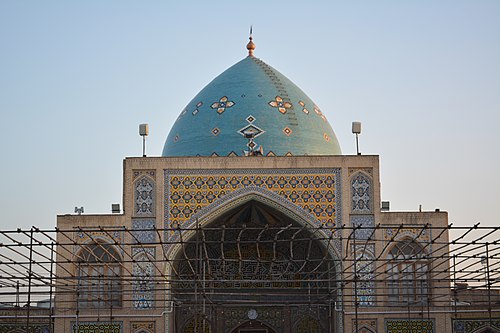
Zanjan, a city in northwestern Iran, serves as the capital of Zanjan Province. Nestled in the Zanjan Valley and surrounded by the Alborz mountain range, it is situated approximately 300 kilometers west of Tehran. With a population of around 400,000, Zanjan is an important commercial and cultural center in the region. The city has a rich history, with evidence suggesting it has been inhabited since ancient times. It has played a crucial role in various historical events, particularly during the Safavid dynasty, when it became a center for trade and agriculture.
Zanjan is known for its unique architecture, including the prominent Jameh Mosque, a stunning example of Islamic design that dates back to the 14th century. The city is also famous for its traditional crafts, including intricate handwoven rugs and pottery. The region surrounding Zanjan is rich in natural resources, particularly salt and minerals, which have contributed to its economic development. The presence of several historical sites and monuments, such as the Sultan Mardan Shah Tomb and the Gonbad-e Soltaniyeh, a UNESCO World Heritage site, highlights the city's historical significance and attracts numerous tourists.
In addition to its historical and cultural prominence, Zanjan is also known for its strong educational institutions, including Zanjan University, which contributes to the local economy and fosters a vibrant community. The city enjoys a semi-arid climate with hot summers and cold winters, which influences its agricultural practices. The surrounding region is well-suited for the cultivation of various crops, including grapes, which are essential for the local economy. Zanjan continues to blend its rich history with modern development, making it an intriguing destination for those interested in exploring the heritage and contemporary life of Iran.
Facts about Zanjan
- Zanjan is known for its unique architectural style, particularly the Zanjan Bazaar, which features a traditional Persian market layout and stunning brickwork.
- The city is home to the UNESCO-listed Soltanieh Dome, which was built in the 14th century and is one of the largest brick domes in the world.
- Zanjan has a rich history in the production of traditional handicrafts, including knives, which are highly prized for their quality and craftsmanship.
- The city hosts the annual Zanjan Fajr Music Festival, showcasing various musical styles and promoting local talent and culture.
- Zanjan is famous for its proximity to the Zanjan Valley, which is renowned for its beautiful landscapes and has historical significance dating back to the Persian Empire.
- The city is a center for the Bahá'í faith, with significant landmarks related to the history of the faith located in the surrounding areas.
- Zanjan is known for its unique culinary traditions, such as its famous local dish called 'Zanjani Kebab', which is popular across Iran.
- The city has a vibrant community of potters and is recognized for its pottery, particularly the blue and white glazed ceramics.
- Zanjan played a significant role in the Constitutional Revolution of Iran, marking it as a politically important site in the country's history.
- Zanjan's climate is characterized by cold winters and warm summers, which differentiates it from many other Iranian cities, contributing to its distinctive agricultural produce.