Zapotiltic, Mexico
- 22,833 people
- 14 places to visit
- 19.63, -103.4194
Places to Visit (14)
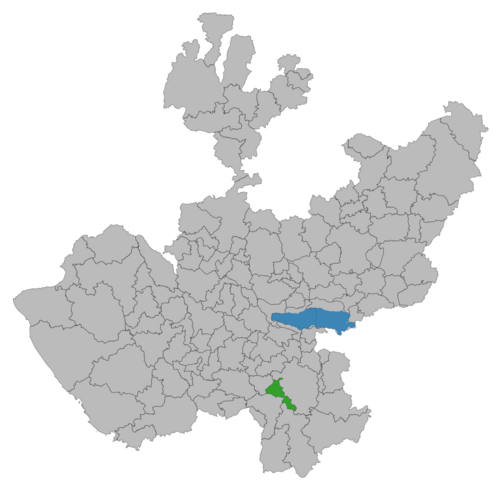
Zapotiltic is a small municipality and city located in the central western state of Jalisco, Mexico. It is situated approximately 90 kilometers from Guadalajara, the state capital, and is part of the greater geographic region known as the Sierra de Amula. The city serves as the administrative center for the municipality, which encompasses several surrounding communities. Zapotiltic is nestled in a mountainous area, characterized by its lush landscape, which includes a mix of forests, valleys, and agricultural land, primarily dedicated to the cultivation of crops like corn, beans, and various fruits. The local economy is largely based on agriculture, alongside small-scale commerce and remittances from residents who have sought work in larger urban areas or abroad.
The town is known for its rich cultural heritage, which reflects the traditional Mexican lifestyle steeped in history. Zapotiltic hosts annual festivals and celebrations that emphasize its indigenous roots and Catholic traditions, with notable events centered around patron saint festivities, particularly in honor of San Isidro Labrador, the patron saint of farmers. The local architecture showcases a blend of colonial influences, with charming plazas and churches that attract visitors and serve as gathering points for the community. Although Zapotiltic is not widely recognized on the international stage, it retains a strong sense of identity, enriched by the warmth and hospitality of its residents. The city also offers opportunities for ecotourism, appealing to those interested in exploring the natural beauty of the surrounding areas and experiencing traditional Mexican culture in a more rural setting.
Facts about Zapotiltic
- Zapotiltic is known for its rich tradition of artisanal pottery, which has been passed down through generations, making it a unique center for ceramic arts in Mexico.
- The city is located in the Sierra de Tapalpa mountain range, offering stunning natural landscapes and opportunities for ecotourism, distinct from many urban areas in Mexico.
- Zapotiltic has a vibrant local market that showcases indigenous produce and crafts, reflecting the unique cultural heritage of the region.
- The town hosts an annual festival called 'Fiesta de San Juan', celebrating its patron saint with traditional music, dance, and food, drawing visitors from nearby regions.
- Historically, Zapotiltic was established during the colonial period, and its architecture retains elements from that time, including colonial churches and homes.
- The city is situated at an altitude of over 2,000 meters (6,500 feet), contributing to its unique climate and biodiversity compared to the lower-lying regions of Mexico.
- Zapotiltic is part of the municipality of Zapotlán el Grande, which is also known for its historic buildings and lush green areas, enriching the ecological and historical context of the city.
- The surrounding area features several ancient pre-Columbian sites, providing insight into the region's indigenous cultures prior to Spanish colonization.
- Zapotiltic is recognized for its agricultural practices, particularly in the cultivation of coffee, making it a significant contributor to the local economy.
- The city's relatively small population lends a tight-knit community feel that distinguishes it from larger urban centers, where anonymity often prevails.