Zapotlanejo, Mexico
- 32,376 people
- 6 places to visit
- 20.6202, -103.0674
Places to Visit (6)
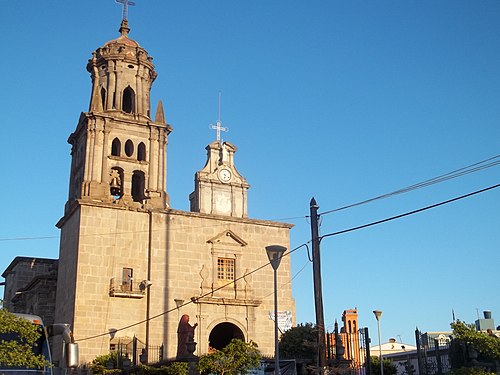
Zapotlanejo is a municipality located in the western part of Mexico, within the state of Jalisco. It is situated approximately 25 kilometers east of Guadalajara, the state capital, making it part of the Guadalajara Metropolitan Area. The city has a rich history and is recognized for its scenic landscapes, traditional architecture, and cultural heritage. The area was originally inhabited by indigenous peoples before the arrival of Spanish conquistadors in the 16th century. The name "Zapotlanejo" is derived from the Nahuatl words "zapote" (a type of fruit) and "tlān" (place), meaning "place of sapote."
The economy of Zapotlanejo is primarily driven by agriculture and commerce, with the cultivation of various crops like corn, beans, and agave being significant contributors. In recent years, the municipality has experienced growth in industrial activity, attracting businesses that have further diversified its economy. The population of Zapotlanejo is estimated to be around 30,000 residents, who are known for their strong community ties and vibrant local culture, which includes traditional festivals and crafts. The city's cultural events often reflect its indigenous roots and include celebrations such as Día de los Muertos (Day of the Dead) and regional fairs.
Zapotlanejo is also known for its architectural landmarks, which include colonial-era churches and public squares. The main church, Parroquia de San Juan Bautista, showcases baroque-style elements and serves as a focal point for community gatherings and religious activities. Natural attractions surround the municipality, with nearby mountains offering opportunities for outdoor activities such as hiking and exploring the local ecosystem. Overall, Zapotlanejo is a blend of historical significance, economic evolution, and rich cultural traditions, making it an interesting place within the diverse tapestry of Mexico.
Facts about Zapotlanejo
- Zapotlanejo is known as the 'Tierra del Mariachi' due to its rich musical traditions and its popularity as a region that fosters Mariachi music.
- The city has a strong connection to the production of pottery and ceramics, showcasing traditional craftsmanship that has been passed down through generations.
- Zapotlanejo hosts the annual Feria del Tequila, celebrating the region's connection to tequila production and its cultural significance in Jalisco.
- The town is located near the historic Camino Real, a crucial trade route during colonial times that connected Mexico City to Guadalajara.
- Zapotlanejo is home to the iconic Church of San Juan Bautista, which features beautiful Baroque architecture and is a focal point for local religious events.
- The nearby Sierra de Tapalpa mountains allow for unique outdoor recreational opportunities, distinguishing it from many other urban centers in Mexico.
- Zapotlanejo has a significant history as a hub for agriculture, especially in producing crops like corn, making it an important area for the region's economy.
- The city was officially founded in 1826 and has since developed a unique blend of rural and urban lifestyles that reflect its agricultural roots.
- Zapotlanejo has various festivals throughout the year, with the Fiesta de la Virgen de Guadalupe being one of the most important cultural events for the local community.
- The city has a municipal market that showcases local products, crafts, and foods, making it a vibrant spot for both residents and visitors to experience local culture.