Zaragoza, Spain
- 675,301 people
- 19 places to visit
- 41.6488, -0.8891
Places to Visit (19)
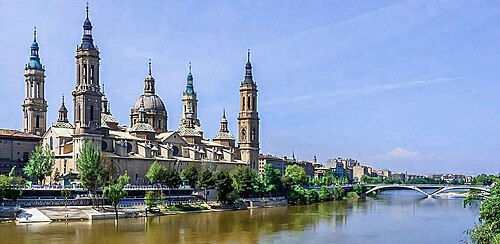
Zaragoza, the capital of the Aragon region in northeastern Spain, is a vibrant city steeped in history and cultural richness. With a population of over 670,000, it stands as the fifth-largest city in the country. Founded as Caesaraugusta in 14 BC by the Romans, Zaragoza's historical significance is evident in its architecture and archaeological sites. The city is dotted with significant landmarks, including the stunning Basilica del Pilar, an iconic baroque church that attracts visitors from around the world. This basilica, located on the banks of the Ebro River, is famously associated with the Virgin of the Pillar, Spain's patroness. Additionally, the historic Aljafería Palace, a Moorish castle dating back to the 11th century, showcases the city’s Islamic heritage, while the Cathedral of La Seo represents a blend of Gothic, Mudejar, and Baroque styles.
Zaragoza is also known for its lively arts scene and culinary delights. The city hosts numerous festivals throughout the year, with the Fiestas del Pilar in October being one of the most prominent, celebrating the city's patron saint. The local cuisine reflects the agricultural bounty of the region, featuring dishes like "ternasco" (roast lamb) and "migajas" (a traditional bread dish). Furthermore, Zaragoza enjoys a strategic geographical position, serving as a transportation hub connecting Madrid, Barcelona, Valencia, and Bilbao. The modern infrastructure, including a high-speed train service, facilitates easy access to the city, enhancing its appeal for tourism and commerce. With its rich historical tapestry, vibrant culture, and strategic location, Zaragoza is a unique blend of the past and present, making it an essential destination within Spain.
Facts about Zaragoza
- Zaragoza is home to the Basilica de Nuestra Señora del Pilar, a stunning Baroque temple that is one of the most important pilgrimage sites in Spain, said to be built on the spot where the Virgin Mary appeared to the apostle Santiago.
- The city is named after the Roman emperor Caesar Augustus, who founded it as 'Caesaraugusta' in 14 BC, making it one of the few cities in Spain with a direct connection to Roman rule.
- Zaragoza hosts the Fiestas del Pilar, a major annual festival held in October that attracts over a million visitors, celebrating its patron saint with parades, cultural events, and traditional music.
- The Aljafería Palace, a UNESCO World Heritage Site, showcases exquisite Moorish architecture and is the only remaining example of Muslim military architecture in the whole of Aragón.
- Zaragoza is considered one of Spain's gastronomic centers, famous for its diverse culinary scene, particularly for dishes like 'ternasco' (roasted lamb) and 'migas' (fried bread crumbs with various toppings).
- The city boasts a significant contribution to the arts with the renowned painter Francisco Goya being born near Zaragoza; his works can be seen at several museums in the city.
- Zaragoza is strategically located between Madrid and Barcelona, making it a vital transportation and economic hub in Spain, with a rich multicultural population.
- The Ebro River, which runs through Zaragoza, is the longest river in Spain, and the city's picturesque riverbanks feature many parks and recreational areas.
- Zaragoza is known for its excellent street art scene, with many of its neighborhoods showcasing large murals and artistic installations, making it a vibrant city for contemporary art enthusiasts.
- The city has a rich history of scientific contributions, including notable figures like the 18th-century scientist José de Arbolancha, who played a significant role in meteorology and geography.