Zaria, Nigeria
- 980,000 people
- 9 places to visit
- 11.1247, 7.7254
Places to Visit (9)
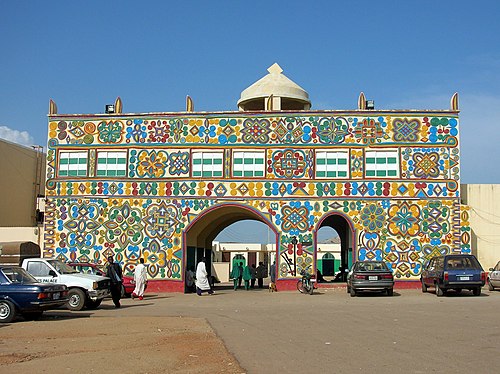
Zaria is a prominent city located in the northern region of Nigeria, specifically in Kaduna State. It is one of the historical cities in the country, known for its rich cultural heritage and significant educational institutions. Zaria is particularly notable for being home to Ahmadu Bello University, established in 1962, which is one of the oldest and largest degree-awarding institutions in Nigeria. The university has played a key role in advancing education and research in the country, attracting students from various regions and contributing to Zaria's reputation as a center of academic excellence. Additionally, Zaria houses several other educational institutions and training centers, making it a hub for learning and intellectual development.
The city holds historical significance as it has been a center of commerce, culture, and administration for centuries. Zaria was originally known as Zazzau, one of the seven Hausa city-states, and later became part of the Sokoto Caliphate established in the early 19th century by Usman dan Fodio. Its traditional leadership and the presence of the Emir of Zazzau emphasize the city's cultural importance and influence in the region. The amalgamation of its historical roots, cultural festivals, and the unique architectural styles of its ancient structures, such as the Zazzau Palace and the local mosques, showcase Zaria's diverse heritage. Modern Zaria is characterized by a mix of traditional and contemporary lifestyles, with a growing urban population engaging in various sectors, including commerce, agriculture, and services. The city's strategic location along major transportation routes enhances its role as a logistical and commercial hub in northern Nigeria, while its vibrant markets reflect the local economy and the rich tradition of trade among the Hausa people.
Facts about Zaria
- Zaria is one of the oldest cities in Nigeria, founded in the 11th century, making it a key historical center in the region.
- The city is home to the famous Ahmadu Bello University, one of the largest and oldest degree-awarding institutions in Nigeria, contributing significantly to higher education in the country.
- Zaria is known for its rich cultural heritage, particularly its traditional craft making, including the famous Zaria embroidery.
- The city is a historical center for the Fulani Empire, with the prominent Zaria Emirate playing an important role in the spread of Islam in Northern Nigeria.
- Zaria boasts of the Zaria City Walls, which are remnants of ancient fortifications dating back to the 14th century, recognized for their historical significance.
- The annual Zaria Durbar festival celebrates the rich culture and traditions of the Hausa and Fulani people, featuring horse parades and traditional music.
- Zaria is distinguished by the unique architectural style of its traditional mud houses, which are well-adapted to the local climate and reflect the region's history.
- The city is a center for Islamic scholarship, with several notable Islamic schools and institutions, enhancing its status as a religious education hub.
- Zaria’s economy is supported by agriculture, with the region rich in crops such as maize, millet, and cotton, which are significant to Nigeria's agricultural output.
- The city has produced many prominent Nigerian leaders, including national political figures, scholars, and activists, showcasing its influence on Nigeria's sociopolitical landscape.