Zawiercie, Poland
- 53,159 people
- 9 places to visit
- 50.4877, 19.4166
Places to Visit (9)
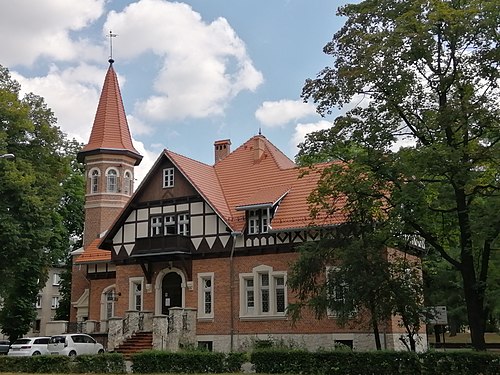
Zawiercie is a city located in southern Poland, within the Silesian Voivodeship, approximately 50 kilometers northwest of Katowice. It lies at the confluence of several rivers, including the Warta and the Biała, and is situated on the edge of the beautiful Polish Jura, a region characterized by limestone hills and unique natural formations. With a population of around 50,000 residents, Zawiercie has developed over the years from a small settlement into an important local center for industry, commerce, and transportation. The city's strategic location along major rail and road routes contributes to its economic growth and accessibility, making it a vital hub in the region.
Historically, Zawiercie has its roots in the 13th century, initially serving as a trade stop due to its advantageous geographic location. The city saw significant growth during the 19th century, particularly with the industrial revolution that brought coal mining, metallurgy, and glass production to the area. This industrial boom attracted workers and their families, further contributing to the city's population growth and development. In addition to its industrial base, Zawiercie is known for its cultural heritage, featuring historic architecture, including the Church of St. Apostles Peter and Paul, which dates back to the 18th century. The city also offers various parks, recreational areas, and cultural events that enhance its community spirit.
Today, Zawiercie continues to evolve, balancing its industrial roots with modern development initiatives. The local government focuses on revitalizing the urban infrastructure, improving public services, and promoting sustainable development to attract new businesses and residents. Educational institutions, such as high schools and vocational training centers, equip the younger population with skills necessary for the evolving job market. With its rich history and ongoing development, Zawiercie stands as a testament to the dynamic changes happening within Polish urban landscapes, making it a noteworthy city in the heart of Silesia.
Facts about Zawiercie
- Zawiercie is known as the 'Gateway to the Jura', being a key access point to the Ojcowski National Park and the scenic Jura Krakowsko-Częstochowska region.
- The city has a rich industrial history, particularly noted for its glass and metalworking industries, which played a significant role in the region's economic development in the 19th and 20th centuries.
- Zawiercie hosts the annual 'Zawiercie Festival of Arts', celebrating local culture, artists, and performers, distinguishing it from many other Polish cities.
- The historic Church of St. Joseph, built in the early 20th century, showcases a blend of architectural styles and serves as a significant local landmark.
- Zawiercie has a unique collection of modernist architecture, particularly in its residential areas, reflecting the city's growth during the industrial boom.
- The city is located near the historic Zawiercie Castle ruins, which dates back to the 14th century and adds to the local historical significance.
- Zawiercie is home to the beautiful Park Potockich, which is one of the larger green spaces in the region, offering recreational opportunities and a place for community events.
- The city is part of the Silesian Voivodeship and has a multicultural heritage, influenced by various ethnic groups that have settled in the area over centuries.
- Zawiercie's location along the Warta River provides scenic beauty and recreational activities, setting it apart from many other inland cities.
- The city is known for its sporting culture, particularly in volleyball and football, with local teams that have participated in national leagues.