Zduńska Wola, Poland
- 44,515 people
- 10 places to visit
- 51.599, 18.9393
Places to Visit (10)
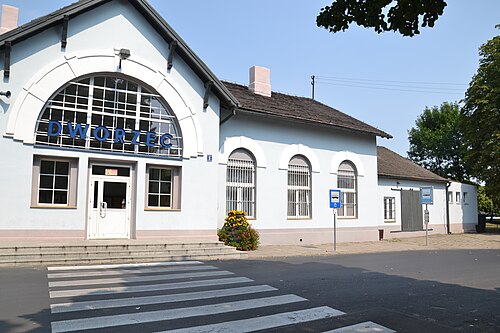
Zduńska Wola is a prominent town located in central Poland, within the Łódź Voivodeship. The town is situated approximately 40 kilometers southwest of the regional capital, Łódź, and is part of the Zduńska Wola County, which it serves as the administrative seat. With a population of around 38,000, Zduńska Wola is known for its rich history, which traces back to the late Middle Ages. Although it received town privileges in the 18th century, its development was significantly boosted during the 19th century due to the burgeoning textile industry, which took advantage of the nearby waterways and rail connections. The town has historically been linked to the production of linen and cotton fabrics, contributing to Poland’s industrialization and economic growth.
One of the notable features of Zduńska Wola is its well-preserved architecture, reflecting various periods of its development. The St. Joseph Church, built in the early 20th century in a Neo-Gothic style, is a prominent landmark and a testament to the town's cultural heritage. Additionally, Zduńska Wola is often celebrated for its efforts in promoting local traditions and crafts, especially those related to lace-making and textile production. The town hosts various cultural events and festivals that highlight its artisanal heritage, attracting both locals and tourists. Moreover, Zduńska Wola offers recreational facilities and parks, providing residents with a harmonious blend of industrial history and greenery.
The town is also well-connected in terms of transportation, contributing to its ongoing development. The railway station serves as a critical hub, facilitating travel to other major cities in Poland. Zduńska Wola's strategic location makes it a vital center for commerce and industry in the region. As the town evolves, it continues to balance modernization with its rich historical narrative, reinforcing its status as a significant urban area in Poland. With its blend of historical significance, industrial heritage, and vibrant local culture, Zduńska Wola serves as an appealing destination for both residents and visitors alike.
Facts about Zduńska Wola
- Zduńska Wola is known for its rich textile industry history, being a significant center for textile production since the 19th century.
- The city is home to the unique Zduńska Wola Museum, which showcases local history and craftsmanship, particularly in textiles.
- Zduńska Wola hosts the annual Festival of Textile Art, attracting artists and craftsmen from all over Poland to celebrate the city's textile heritage.
- The city was granted municipal rights in 1919, making it relatively young compared to many other Polish towns.
- Zduńska Wola features the neo-Gothic Church of St. George, which is a significant historical and architectural landmark.
- The area around Zduńska Wola is characterized by numerous historic wooden architecture, reflecting traditional Polish building styles.
- In the vicinity of Zduńska Wola, there are remnants of historical trade routes that contributed to its development as a commercial hub.
- The local cuisine features a variety of traditional Polish dishes with unique twists, reflective of the region's cultural influences.
- Zduńska Wola has a well-preserved railway history, once serving as an important junction, facilitating trade and travel in the region.
- The city's location near the Warta River provides beautiful natural surroundings, contributing to local outdoor activities and tourism.