Zeist, Netherlands
- 60,949 people
- 18 places to visit
- 52.0906, 5.2332
Places to Visit (18)
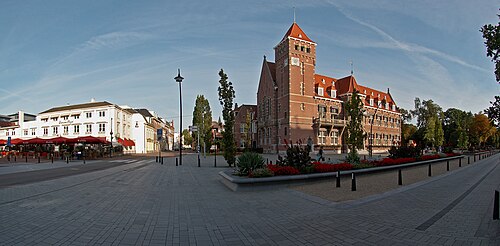
Zeist is a picturesque municipality and town located in the province of Utrecht, Netherlands. Situated approximately 10 kilometers to the east of Utrecht city, Zeist has a population of about 27,000 residents, making it a small yet vibrant community. The town is characterized by its green surroundings, including vast forests and parks, which contribute to its appeal as a desirable residential area. Established as a settlement in the 11th century, Zeist has a rich history that is reflected in its architecture, culture, and community life. The town flourished during the 17th and 18th centuries, primarily due to the prosperity brought about by local nobility, particularly the van Wassenaer family, who developed the area into a center for the aristocracy.
One of the town's most notable landmarks is the Slot Zeist, an 18th-century castle that originally served as a summer residence for the local nobility. Surrounded by beautiful gardens and parks, Slot Zeist is a popular attraction, hosting various cultural events, exhibitions, and conferences. The municipality is also home to the Zeister Veldhoven area, which features a mixture of modern and traditional residential architecture. Moreover, Zeist is well-connected by public transportation, with several bus routes and a nearby railway station that provides easy access to Utrecht and other surrounding areas. A strong community spirit permeates Zeist, with numerous annual events, such as markets, festivals, and cultural celebrations that foster a sense of belonging among its inhabitants. Additionally, the presence of educational institutions, parks, and recreational facilities makes Zeist an ideal place for families and individuals seeking a balanced lifestyle.
Zeist is also known for its scenic recreational opportunities, including walking and cycling paths that meander through the nearby Utrechtse Heuvelrug National Park. This national park is notable for its diverse landscapes, featuring forests, heathlands, and rolling hills, fostering outdoor activities and nature appreciation. The town's commitment to greenery is evident in its numerous parks, including the historic park surrounding Slot Zeist. Furthermore, the municipality prioritizes sustainable development and urban planning, which has resulted in a harmonious blend of natural and urban environments. Overall, Zeist offers a unique combination of historical charm, cultural richness, and natural beauty, making it a captivating destination for both residents and visitors alike.
Facts about Zeist
- Zeist is home to the famous Huis Zeist, an 18th-century manor house that showcases both Baroque and Neoclassical architectural styles.
- The city is located within the Utrechtse Heuvelrug National Park, making it a popular destination for nature lovers and outdoor activities such as hiking and cycling.
- Zeist is known for its unique Dutch 'turf houses', which are traditional rural dwellings characterized by their thatched roofs, found in the nearby areas.
- The town played a significant role during the Dutch Golden Age, with several wealthy merchants building estates in the region, many of which still exist today.
- Zeist hosts an annual event known as the 'Zeister Haringparty', which celebrates the arrival of the new herring season and attracts both locals and tourists.
- The city is home to the International Institute of Air and Space Law (IIASL), which is recognized for its contribution to the field of international law concerning outer space.
- Zeist prides itself on its bicycle-friendly infrastructure, making it one of the best cities in the Netherlands for cycling enthusiasts.
- In the early 20th century, Zeist developed as a 'garden city', with a focus on green spaces and community planning, distinguishing it from more industrial towns.
- The city features the Zeist Historic Museum, which showcases the local history, culture, and artifacts that reflect the town's unique past.
- Zeist is part of the De Bilt municipality, which includes a diverse range of neighborhoods and environments, from urban areas to rural landscapes.