Zenica, Bosnia and Herzegovina
- 164,423 people
- 8 places to visit
- 44.2034, 17.9077
Places to Visit (8)
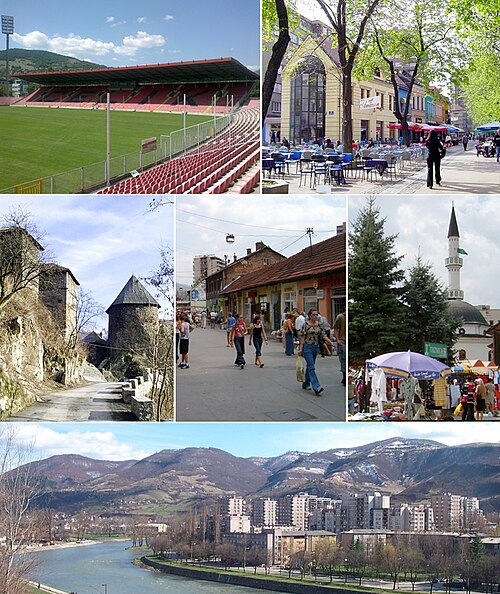
Zenica is a city situated in the central part of Bosnia and Herzegovina, along the banks of the Bosna River. It serves as the administrative center of the Zenica-Doboj Canton and is well-connected to other cities in the region, including Sarajevo and Tuzla. With a population of approximately 60,000 residents, Zenica is one of the largest cities in the country. The area has a rich historical background, with settlements dating back to Roman times, evidenced by archaeological remains, including fortifications and other structures.
Zenica has developed as an industrial hub, particularly known for its steel production, with the prominent company ArcelorMittal Zenica operating one of the largest steelworks in the Balkan region. The city played a significant role during the Yugoslav Wars of the 1990s, with notable impacts on its economy and infrastructure due to the conflict. In the years that followed, Zenica has worked toward rebuilding and revitalizing its industries while attracting investment, which has contributed to economic recovery. In addition to its industrial significance, Zenica is also recognized for its educational institutions, including the University of Zenica, which offers diverse programs and fosters academic growth.
Culturally, Zenica is home to various events, festivals, and recreational activities reflecting the heritage of the region. The city boasts several historical landmarks, such as the medieval fortress of Gled Hill and the remnants of the Ottoman architecture, including mosques and bridges. Zenica's landscape is enhanced by the surrounding hills and greenery, providing numerous opportunities for outdoor activities. The local cuisine, influenced by traditional Bosnian flavors, adds to the city's cultural richness. Overall, Zenica embodies a blend of historical significance, industrial importance, and cultural diversity, making it a vital part of Bosnia and Herzegovina's identity.
Facts about Zenica
- Zenica is known for its rich industrial heritage and was historically a significant center for metallurgy and manufacturing in Bosnia and Herzegovina.
- The city's location along the Bosna River and surrounded by mountains gives it a distinctive natural landscape, making it both industrially important and visually appealing.
- Zenica is home to the 20,000-seat Bilino Polje Stadium, which has hosted numerous important football matches and events, including international fixtures.
- Zenica's Old Town, known as 'Stari Grad', features Ottoman-era architecture, including the notable mosque called 'Kozarac Mosque' and various historic buildings.
- The city hosts the annual Zenica Cultural Summer Festival, which showcases local and regional art, music, and performances, enhancing the town's cultural scene.
- Zenica played a role in the Bosnian War as a location for numerous humanitarian efforts and remains a symbol of resilience and recovery in the post-war period.
- The Zenica-Doboj Canton, of which Zenica is the capital, is known for its diverse economy, including agriculture, construction, and tourism.
- The surrounding area of Zenica features natural attractions like the scenic mountainous regions of the nearby Vranduk and the Žepče basin, ideal for outdoor activities.
- Zenica is recognized for its educational institutions, particularly the University of Zenica, which contributes to higher education in engineering, technology, and natural sciences.
- Zenica is notable for its community approach, promoting local initiatives that focus on social inclusion, cultural exchange, and environmental sustainability.