Zhabei, China
- 840,000 people
- 17 places to visit
- 31.2586, 121.4597
Places to Visit (17)
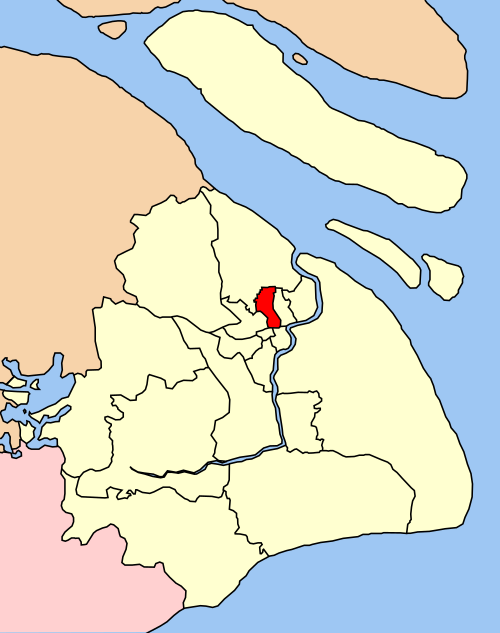
Zhabei is a district located in the northern part of Shanghai, China. It serves as both a cultural and economic hub within one of China's most vibrant cities. Historically, Zhabei was established as a part of Shanghai in the late 19th century when the city began to expand rapidly due to international trade and foreign concessions. The district saw significant development in the early 20th century, becoming a mix of residential and industrial zones. Over the years, Zhabei has transformed from a primarily industrial area into a modern urban district, featuring a blend of old and new architecture, with significant commercial and residential developments.
The district is characterized by its strategic location and extensive transportation network, making it easily accessible to residents and visitors alike. The Shanghai Railway Station, which lies within Zhabei, is one of the major railway hubs in China, connecting the district with various cities across the nation. Modern amenities such as shopping centers, parks, and educational institutions contribute to the area's appeal as a place to live and work. The district is also home to several cultural attractions, including museums and historical sites that reflect the rich heritage of Shanghai. These features make Zhabei an essential part of Shanghai's overall urban landscape, contributing to the city's growth and development while maintaining its historical significance.
In recent years, Zhabei has undergone major urban redevelopment initiatives aimed at improving infrastructure and enhancing the quality of life for its residents. The district has seen the construction of new high-rise buildings, green spaces, and improved public facilities, showcasing the city's commitment to modernization while preserving its historical roots. Additionally, Zhabei hosts a diverse community with various local businesses that add to its vibrant atmosphere. This unique blend of history, culture, and economic activity makes Zhabei a vital area in the broader context of Shanghai's evolution as a global metropolis.
Facts about Zhabei
- Zhabei, a district in Shanghai, is known for its significant role in the city's rapid modernization during the late 19th and early 20th centuries.
- The Zhabei area is home to the historic Shanghai Railway Station, one of the city's busiest transport hubs that reflects the district's importance in connecting Shanghai to other regions.
- Zhabei is famous for its cultural blend, showcasing both traditional Chinese architecture and modern skyscrapers, making it a microcosm of Shanghai's evolution.
- The district features the Shanghai Circus World, renowned for its acrobatic performances and entertainment that showcases China's rich cultural heritage.
- Zhabei is distinguished by the presence of Hongkou Football Stadium, historically significant as the venue for important football matches, including those during the World Cup qualifiers.
- The area has experienced extensive redevelopment, transforming from an industrial district to a vibrant urban center with parks, shopping areas, and residential complexes.
- The district is home to the Shanghai Jewish Refugees Museum, which commemorates the Jewish community that sought refuge in Shanghai during World War II.
- Zhabei has a rich transportation network, including access to multiple metro lines that integration promotes ease of movement throughout Shanghai.
- The district is known for its diverse culinary scene, offering a mix of traditional Shanghainese dishes and international cuisines that attract food lovers.
- Zhabei hosts several annual cultural events, such as the Zhabei International Cultural Festival, which celebrates the district's diversity and rich artistic heritage.