Zhangjiagang, China
- 1,432,044 people
- 8 places to visit
- 31.8755, 120.5555
Places to Visit (8)
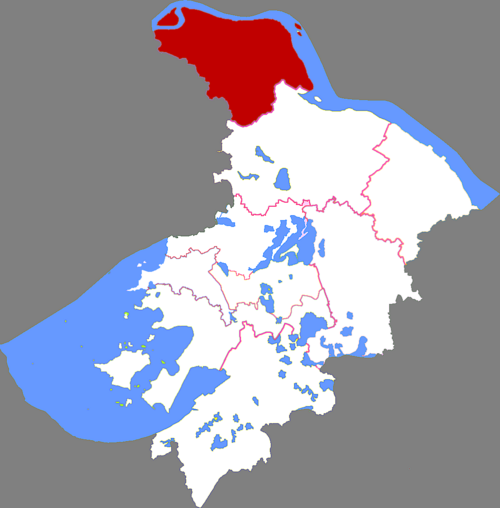
Zhangjiagang is a vibrant city located in Jiangsu Province, China, situated along the Yangtze River. It is part of the Suzhou metropolitan area and lies approximately 150 kilometers northwest of Shanghai, making it strategically important for both commerce and transportation. As of the latest census, Zhangjiagang has a population of around 1.5 million people and covers an area of approximately 1,120 square kilometers. The city is an economic powerhouse, often recognized for its rapid industrial growth, particularly in manufacturing and foreign trade. It has formed a key part of the Yangtze River Delta Economic Zone, one of the most economically prosperous regions in China.
Zhangjiagang's economy is diversified, with significant contributions from sectors such as textiles, machinery, electronics, and metal processing. The city is home to several industrial parks and export-processing zones, which have attracted numerous domestic and international enterprises. In addition to its industrial base, Zhangjiagang boasts a wealth of natural resources and a favorable geographic location that facilitate shipping and logistics. The city also invests heavily in infrastructure, including a comprehensive transportation network that connects it to major highways, railways, and ports. Cultural development in Zhangjiagang has paralleled its economic growth, with various parks, museums, and historical sites promoting a rich local culture. The city's commitment to sustainable development is evident as it embraces green initiatives aimed at balancing industrial progress with environmental conservation. As a result, Zhangjiagang has become a model for modern urban growth in China, blending economic vitality with cultural and environmental stewardship.
Facts about Zhangjiagang
- Zhangjiagang is known for its rapid economic development and was designated as a 'National Sustainable Development Experiment Zone' in 2010.
- The city is strategically located along the Yangtze River, which has greatly contributed to its growth as a major port and industrial hub.
- Zhangjiagang was awarded the title 'National Garden City' due to its emphasis on green space and urban planning that integrates natural landscapes.
- The Zhangjiagang International Container Terminal is one of the busiest and most efficient ports in China, making it a crucial point for international trade.
- The city is home to the Zhangjiagang Cultural Center, which hosts various events and exhibitions, showcasing local culture and arts.
- Zhangjiagang has developed a reputation for high-quality steel production, with several major steel companies located in the area, elevating its industrial significance.
- The city celebrates an annual dragon boat festival, highlighting its rich cultural heritage and attracting participants from various regions.
- Zhangjiagang has a historical site known as the Huaxi Village, which is famous for its prosperous cooperative economic model and serves as a case study in rural development.
- The Zhangjiagang Confucius Cultural Park is a notable landmark dedicated to the teachings and philosophy of Confucius, emphasizing the city's commitment to education and culture.
- Zhangjiagang has invested significantly in eco-friendly technology and innovation, positioning itself as a leader in sustainable practices among Chinese cities.