Zhangjiakou, China
- 692,602 people
- 4 places to visit
- 40.7687, 114.8856
Places to Visit (4)
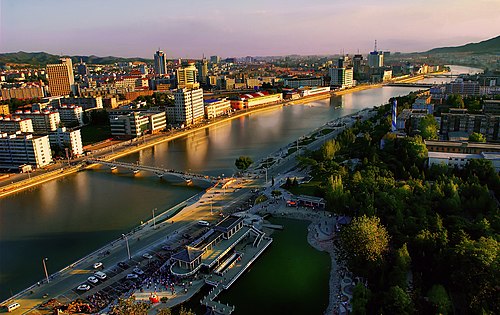
Zhangjiakou is a city located in the Hebei province of northern China, approximately 180 kilometers northwest of Beijing. Known historically as a key transport hub along the ancient Silk Road, Zhangjiakou has evolved into an important center for trade and commerce. The city boasts a population of around 1.2 million residents and covers an area of approximately 37,000 square kilometers. Zhangjiakou's geographical position at the intersection of mountains and plains has contributed to its development, providing a favorable climate for agriculture and making it suitable for various economic activities. As one of the leading cities in Hebei, it plays a crucial role in regional economic development and urbanization.
Zhangjiakou gained international attention when it was selected as a co-host city for the 2022 Winter Olympics, alongside Beijing. This event spurred significant infrastructure development, including the construction of new sports facilities and transportation networks to improve connectivity between the two cities. The city's elevation and snowy winters offer excellent conditions for winter sports, making it an ideal location for Olympic events. Beyond its Olympic aspirations, Zhangjiakou is known for its stunning natural landscapes, characterized by the Taihang Mountain range and a number of parks and reserves that attract tourists year-round. The city is also recognized for its rich cultural heritage, including various historical sites and a blend of Han and Mongolian influences that add to its unique identity. Overall, Zhangjiakou represents a dynamic blend of history, culture, and modern development, positioning itself as a significant player on both the national and international stage.
Facts about Zhangjiakou
- Zhangjiakou is known as the 'Gateway to Mongolia' due to its strategic location near the border with Mongolia, making it historically significant for trade and cultural exchange.
- The city was one of the main venues for the 2022 Winter Olympics, specifically hosting events such as skiing and snowboarding, which highlighted its development as a winter sports destination.
- Zhangjiakou has a rich history as a military post during the Ming Dynasty, serving as a vital defense against invasions from northern tribes.
- The city is home to the famous Gubeikou Great Wall, which is a lesser-known but historically significant section of the Great Wall, known for its scenic beauty and distinct architecture.
- Zhangjiakou is recognized for its role in the development of China's renewable energy sector, being one of the largest producers of wind energy in the country.
- The city features the Zhangjiakou Xuanhua Ancient City, a well-preserved historical site that showcases ancient architecture and culture dating back to the Ming and Qing Dynasties.
- Zhangjiakou is linked to the notable 1900 Boxer Rebellion, as it was one of the key areas affected by the conflict and political turmoil of that period in Chinese history.
- The Zhangjiakou Railway Station, built in the 1900s during the Qing Dynasty, is a historical landmark known for its unique architectural style that blends Western and Eastern elements.
- Zhangjiakou is known for its picturesque scenery, having nearby mountains and natural reserves, making it a popular destination for outdoor activities such as hiking and skiing.
- The city celebrates its rich cultural heritage through annual events, including the Zhangjiakou Ice and Snow Festival, which attracts tourists and promotes winter sports and local traditions.