Zhenjiang, China
- 950,516 people
- 9 places to visit
- 32.1896, 119.425
Places to Visit (9)
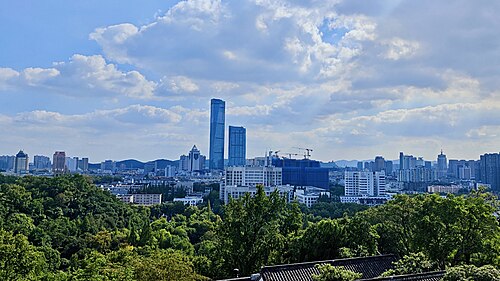
Zhenjiang is a prominent city located in Jiangsu province, China, situated on the southern bank of the Yangtze River, at the confluence of the Yangtze and the Beijing-Hangzhou Grand Canal. Rich in history, Zhenjiang's origins date back over 2,500 years, making it one of the country's oldest cities. It flourished as a significant trade and cultural hub during various dynasties, particularly in the Ming and Qing periods. The city's strategic location has historically facilitated commerce, connecting the inland regions to international trade routes. Today, Zhenjiang is known for its picturesque scenery, featuring lush hills, rivers, and historical landmarks, attracting both domestic and international tourists.
Modern Zhenjiang is an essential economic center with a diverse industrial base, including sectors such as electronics, textiles, food processing, and machinery manufacturing. The city boasts a population of approximately 3 million, making it one of the larger urban centers in Jiangsu. Aside from its economic activities, Zhenjiang is also famous for its cultural heritage and notable attractions. The Jinshan Temple, a Buddhist site with a history of over 1,500 years, and the Zhenjiang Museum, which exhibits artifacts dating from ancient times to the modern era, are key points of interest. The area is also known for its vinegar production, particularly Zhenjiang aromatic vinegar, which is a staple in Chinese cuisine. With its blend of historical significance and contemporary development, Zhenjiang stands out as a city that encapsulates the dynamic evolution of Chinese society.
Facts about Zhenjiang
- Zhenjiang is known for its production of the famous Zhenjiang vinegar, often regarded as one of China's best black vinegars, integral to Chinese cuisine.
- The city is situated at the confluence of the Yangtze River and the Grand Canal, making it a historic and strategic point for trade and transportation.
- Zhenjiang is home to the Jinshan Temple, which dates back to the Southern Tang dynasty (937-975 AD), and is famous for its panoramic views of the Yangtze River and the city.
- The city has a rich literary history and is closely associated with the poet Bai Juyi from the Tang dynasty, who authored several poems inspired by the beautiful landscapes of Zhenjiang.
- Zhenjiang is notable for its historical role as a military shipping hub during the Ming and Qing dynasties, enriching its cultural and historical significance.
- The iconic Xijindu Scenic Area in Zhenjiang showcases a mix of ancient architecture and modern attractions, reflecting the city’s long-standing heritage.
- The city celebrates the annual Zhenjiang Vinegar Cultural Festival, which attracts food enthusiasts and tourists to explore its traditional vinegar production techniques.
- Zhenjiang's geographical location has made it a pivotal point for several ancient routes, contributing to its rich cultural exchanges over centuries.
- The city features the famous Qutang Gorge, which is renowned for its natural beauty and scenic landscapes that attract numerous visitors.
- Zhenjiang was once known as 'Dantu' and has been a center of cultural exchange, evident in its diverse architecture that includes both traditional Chinese and Western styles.