Zhulebino, Russian Federation
- 150,000 people
- 1 places to visit
- 55.7028, 37.8226
Places to Visit (1)
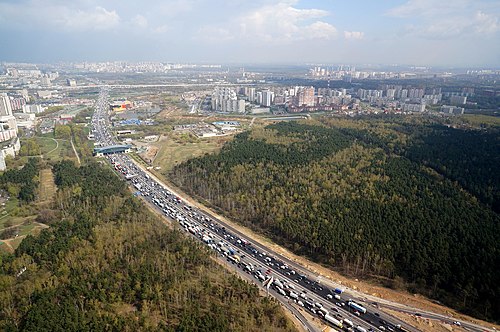
Zhulebino is a district located within the South-Eastern Administrative Okrug of Moscow, Russia. Officially recognized as a microdistrict, it is known for its residential areas and is predominantly inhabited by families and individuals working in the greater Moscow area. The district was developed during the Soviet era, particularly in the mid-20th century, when many housing projects aimed at accommodating the growing urban population were established. This development has contributed to Zhulebino's character as a primarily residential neighborhood, featuring a mix of panel buildings, modern apartment complexes, and public amenities that cater to local residents.
One of the key features of Zhulebino is its accessibility to transportation. The district is served by the Moscow Metro, with the Zhulebino station on the Lyublinsko-Dmitrovskaya Line, providing convenient connections to various parts of the city. The surrounding roads and infrastructure also facilitate ease of movement for residents. Additionally, Zhulebino offers a range of local services, including shops, schools, and parks, contributing to the community’s overall livability. The presence of green spaces within the district allows for recreational activities and enhances the urban environment. Over the years, Zhulebino has seen gradual development and modernization, reflecting the broader trends within Moscow as it continues to evolve and integrate new urban strategies.
Despite being a microdistrict, Zhulebino holds cultural significance within the context of Moscow's greater urban tapestry. The area has its own local identity, marked by community events and initiatives that emphasize the engagement of residents. As Moscow expands, microdistricts like Zhulebino play an essential role in maintaining the balance between urban density and quality of life for individuals living in this vibrant city. With ongoing infrastructure improvements and community developments, Zhulebino remains an integral part of Moscow's diverse landscape, reflecting both the history of the region and its aspirations for the future.
Facts about Zhulebino
- Zhulebino is officially recognized as a locality within the city of Moscow, making it a part of one of the largest metropolitan cities in the world.
- The name 'Zhulebino' is derived from the local river Zhulebinka, which adds a distinct geographical feature to the area.
- Zhulebino was developed as a residential district in the second half of the 20th century, with most of its construction occurring in the 1960s and 1970s.
- Unlike many parts of Moscow which are older and have historic architecture, Zhulebino is primarily characterized by Soviet-era panel buildings, known as 'Khrushchyovkas'.
- Zhulebino hosts the notable Zhulebino Park, which serves as a green space for residents and is distinguished by its recreational facilities and walking paths.
- The district features several educational institutions, including primary and secondary schools that cater to its primarily residential population.
- Zhulebino is well-connected to the rest of Moscow through public transportation, including the Zhulebino metro station, which opened in 1995.
- The locality is part of the larger Varshavsky District, which is known for its residential complexes and proximity to major highways.
- Zhulebino is known for its community events, including seasonal festivals that celebrate local culture and engage residents in various activities.
- The suburb's relatively quiet environment contrasts sharply with the bustling centers of Moscow, making it a unique aspect of urban life in the city.