Zielona Góra, Poland
- 118,433 people
- 13 places to visit
- 51.9356, 15.5062
Places to Visit (13)
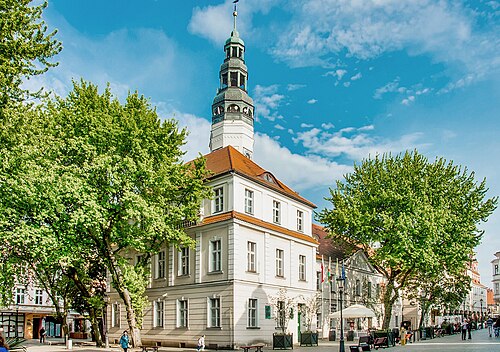
Zielona Góra is a city in western Poland, located in the Lubusz Voivodeship. It sits at the confluence of the Oder and Warta rivers, and is the capital of the region. With a population of approximately 140,000, it is known for its rich history, vibrant culture, and significant contributions to the Polish wine industry. The city was granted municipal rights in 1323, and it has evolved over the centuries from a medieval settlement into a modern urban center. Zielona Góra was historically a part of various states, including the Duchy of Głogów and the Kingdom of Prussia, before becoming part of Poland after World War II.
Zielona Góra is perhaps most famous for its wine culture, as the surrounding areas boast vineyards and a long tradition of viticulture, dating back to the early Middle Ages. Every year, the city hosts the Zielona Góra Wine Festival, celebrating the local winemaking heritage and the region’s agricultural abundance. The city is home to unique attractions, including the Wine Park, which showcases local wines and offers tasting opportunities. Zielona Góra also features the distinctive, well-preserved Old Town with its charming streets, historic buildings, and vibrant market square. Prominent landmarks include the Castel Hill with its lookout tower offering panoramic views of the area, and the Cathedral of St. Hedwig, a key architectural site.
In addition to its cultural and historical significance, Zielona Góra is also an educational hub, hosting several institutions of higher learning, including the University of Zielona Góra. The city promotes a high quality of life, characterized by green spaces, parks, and recreational opportunities in the nearby natural landscapes. With its blend of history, culture, and modern amenities, Zielona Góra presents a unique glimpse into the potential of post-war urban development in Poland. The integration of its viticultural roots with contemporary Polish society makes it a noteworthy destination for both local and international visitors.
Facts about Zielona Góra
- Zielona Góra is known as the 'Wine Capital of Poland' due to its long history of viticulture, with wine production in the region dating back to the 13th century.
- The city hosts the annual Zielona Góra Wine Festival, which celebrates local wines and attracts visitors from across the country and beyond.
- Zielona Góra features the unique Palm House (Palmiarnia), which contains a variety of exotic plants and is a popular destination for nature lovers despite being located in a temperate climate.
- The city is home to the Lubusz Voivodeship's region, making it a cultural and administrative hub with a rich tapestry of traditions and modern development.
- Zielona Góra has a distinctive 'Hill of Wines' (Wzgórze Winne) where vineyards can be found within the city limits, making it unique among Polish cities that are primarily urban.
- The town's history is enriched by the historic Collegiate Church of St. Hedwig, which dates back to the Gothic period and showcases remarkable architecture.
- Zielona Góra boasts a significant student population, particularly due to the presence of the University of Zielona Góra, which contributes to the city's vibrant youth culture.
- The city has a unique 'Zielona Góra Vineyards Route' that allows visitors to explore local wineries and enjoy tastings of regional wines.
- Zielona Góra is known for its rich German-Polish heritage, with influences from its past as a part of Prussia, leading to a mix of architectural styles and cultural events.
- The city features the famous 'Palace of the Lubusz' which serves as a cultural center and museum, highlighting the history and traditions of the Lubusz region.