Zigong, China
- 1,262,064 people
- 7 places to visit
- 29.3392, 104.7784
Places to Visit (7)
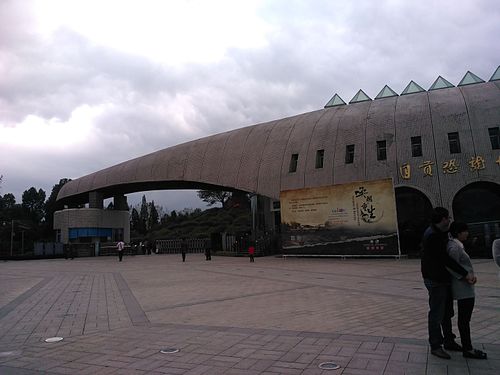
Zigong is a vibrant city located in the southeastern part of Sichuan Province in China, known for its rich industrial history and cultural significance. Situated approximately 200 kilometers from Chengdu, the provincial capital, Zigong is recognized as an important center for natural gas production and is often referred to as the "City of Salt" due to its historic role in salt mining. The city has a long-standing tradition in the salt industry, with salt wells dating back to the Han Dynasty. The wealth generated from this industry contributed to the development of Zigong, as well as the establishment of many ancient architectural structures that still attract tourists today.
Besides its industrial heritage, Zigong is famous for its unique lantern festivals, particularly the Zigong Lantern Festival, which takes place every spring. This festival showcases intricate lanterns crafted by local artisans, celebrating the area’s artistic skills and cultural folklore. The city also houses the Zigong Dinosaur Museum, one of the largest of its kind in China, where visitors can explore extensive fossil displays and learn about the Jurassic period. Zigong's unique combination of industrial achievement, cultural festivities, and educational attractions fosters a dynamic environment that draws both locals and tourists alike. As the city continues to evolve, it embraces modernization while preserving its rich traditions and history, making it a significant and engaging place to visit in southwestern China.
Facts about Zigong
- Zigong is known for its rich salt mining history, earning it the nickname 'Salt Capital of China' due to its extensive production during the Qing Dynasty.
- The city hosts the Zigong Lantern Festival, one of the largest lantern festivals in China, featuring elaborate and colorful lantern displays that attract tourists from all over the world.
- Zigong is home to the world-famous Zigong Dinosaur Museum, which showcases one of the largest collections of dinosaur fossils, making it a prominent site for paleontological research.
- The ancient Zigong Salt Industry Museum provides insights into the traditional salt extraction process and the importance of salt to the region's economy and culture.
- Zigong has a unique local cuisine characterized by its spicy variations of Sichuan food, particularly the use of preserved vegetables and various seafood dishes from the nearby rivers.
- The city features the historic Zigong Confucius Temple, built in the Ming Dynasty, which represents one of the best-preserved examples of Confucian architecture.
- Every July, Zigong hosts the International Dinosaur Culture and Science Festival, featuring various educational events, exhibits, and cultural performances celebrating the region's paleontological heritage.
- Zigong has a long-standing tradition of producing colorful and intricate paper-cut art, a craft that reflects the local culture and is often showcased at festivals.
- The historic Zigong Old Town offers a glimpse into the traditional architecture and lifestyle of the region, with well-preserved streets and buildings dating back to the imperial era.
- Due to its significant salt production history, Zigong stands out for its unique underground salt caves, which are rare geological features in China.