Ziway, Ethiopia
- 90,500 people
- 2 places to visit
- 7.931, 38.7158
Places to Visit (2)
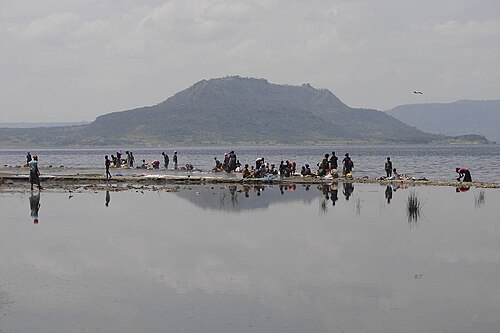
Ziway, a city located in the Oromia Region of Ethiopia, serves as a notable hub in the country’s central highlands. Situated approximately 160 kilometers southeast of the capital city, Addis Ababa, Ziway lies beside Lake Ziway, one of the largest lakes in the Ethiopian Rift Valley. This geographical feature not only enhances the city's scenic beauty but also plays a vital role in its economy and daily life. The lake is a significant source of fishing and agriculture, providing resources for local communities and attracting visitors seeking recreational activities such as boating and birdwatching. The region’s climate is characterized by a warm, temperate atmosphere, which supports diverse agricultural practices, including the cultivation of maize, teff, and a variety of fruits and vegetables.
As of the 2007 census, Ziway had a population of over 50,000 people, with a blend of ethnic groups, predominantly consisting of the Oromo and Amhara communities. The city has witnessed growth and development in recent years, with improved infrastructure, educational facilities, and healthcare services. Ziway is home to a vibrant market that reflects the local culture and economy, where vendors offer handmade crafts, fresh produce, and traditional foods. The local economy is bolstered by the city's strategic position along the main highway connecting Addis Ababa to the eastern regions of Ethiopia, facilitating trade and commerce. Additionally, the region boasts historical and cultural significance, with sites that highlight the rich heritage of the area, including traditional churches and traditional festivals that showcase the customs and traditions of its residents. As such, Ziway continues to be an important center for commerce, tourism, and cultural exchange in Ethiopia.
Facts about Ziway
- Ziway is known for its beautiful Lake Ziway, which is one of the largest lakes in the Ethiopian Rift Valley and is famous for its diverse bird species.
- The city is a major center for the Ethiopian fishery industry, particularly for its tilapia production, making it unique in the region.
- Ziway has a rich history linked to the ancient kingdom of Shewa and is situated at an important crossroads for trade and cultural exchange.
- The area around Ziway is known for its fertile soil and is often referred to as one of the breadbaskets of Ethiopia, supporting robust agriculture.
- Ziway is home to the Abijatta-Shalla National Park, which boasts stunning landscapes and is a habitat for several endemic species of birds and wildlife.
- The city has experienced significant agricultural development due to extensive irrigation practices stemming from Lake Ziway, setting it apart from other regions.
- Every year, Ziway hosts the Meskel festival, a colorful and vibrant religious celebration that attracts visitors and pilgrims from around the country.
- Ziway is also known for its unique historical churches, such as the Debre Sira Medhane Alem Church, which showcases traditional Ethiopian architecture.
- The city's economy is significantly bolstered by trade, especially in agricultural products, making it a hub for local markets and commerce.
- Ziway's cultural diversity is highlighted by its various ethnic groups, each contributing to the city's rich traditions, food, and community life.