Zomba, Malawi
- 118,440 people
- 6 places to visit
- -15.3766, 35.3357
Places to Visit (6)
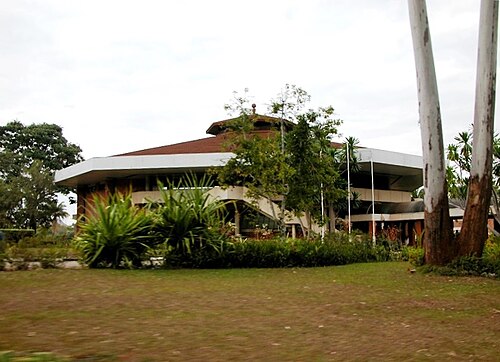
Zomba, a city located in southern Malawi, serves as the administrative capital of the Zomba District. Historically, it was the capital of Malawi before it was moved to Lilongwe in 1975. Nestled at the base of the Zomba Plateau, the city is characterized by its picturesque landscapes, including rolling hills, fertile agriculture, and lush forests, making it one of the most scenic areas in the country. Zomba's elevation at around 1,200 meters (3,937 feet) above sea level contributes to its temperate climate, which is generally cooler than other regions of Malawi, especially during the dry season. The city has a population of approximately 100,000 inhabitants and features a mix of ethnic groups, primarily Chewa and Yao, which enriches its cultural diversity.
Zomba is known for its historical significance and educational institutions, particularly the University of Malawi, which was established in 1964 and has a significant impact on the region's education system. The university is one of the oldest and most prestigious in the country. The city is also home to several colonial-era buildings that reflect its rich history, including the Zomba Central Prison and the District Commissioner’s office, alongside the beautiful Zomba Botanical Gardens. The gardens are situated at the foot of the plateau and cover an area of roughly 30 hectares, featuring a variety of indigenous and exotic botanical species. Additionally, the nearby Zomba Plateau offers numerous hiking and trekking opportunities, drawing nature enthusiasts and tourists intending to explore its dense forests and stunning viewpoints that overlook the city and surrounding landscapes.
Economically, Zomba has traditionally relied on agriculture, with local farmers growing a variety of crops, including maize, tobacco, and groundnuts. The city also hosts several markets where local produce and crafts are sold, contributing to the livelihood of many residents. Although Zomba is not as industrialized as some other Malawian cities, its strategic location along major transport routes facilitates trade and commerce. With its combination of natural beauty, educational foundations, and historical significance, Zomba remains a vital part of Malawi's cultural identity and heritage, appealing to both locals and visitors alike.
Facts about Zomba
- Zomba was the capital city of Malawi until 1975, before the capital was moved to Lilongwe.
- The city is home to the University of Malawi, established in 1964, which is one of the oldest universities in the country.
- Zomba Plateau, located just outside the city, is known for its cool climate, rich biodiversity, and stunning views, attracting tourists and nature enthusiasts.
- The Zomba Central Prison, established in 1902, is one of the oldest prisons in Malawi and is known for its colonial-style architecture.
- Zomba hosts the annual Zomba Arts Festival, showcasing local arts, crafts, music, and culture, making it a hub for creative expression.
- The city is famous for its botanical gardens, one of the oldest in the country, which features a variety of indigenous and exotic plant species.
- Zomba is renowned for its scenic landscapes, including the picturesque Zomba Mountain, which is popular for hiking and outdoor activities.
- The city has a rich history of colonial influence, reflected in several historical buildings and landmarks that date back to the British colonial period.
- Zomba experiences a unique microclimate due to its elevation, resulting in cooler temperatures compared to other cities in Malawi.
- Zomba was the site of the first official post office in Malawi, established in the 1880s, which played a significant role in communication during the colonial era.