Zumpango, Mexico
- 50,742 people
- 5 places to visit
- 19.8039, -99.093
Places to Visit (5)
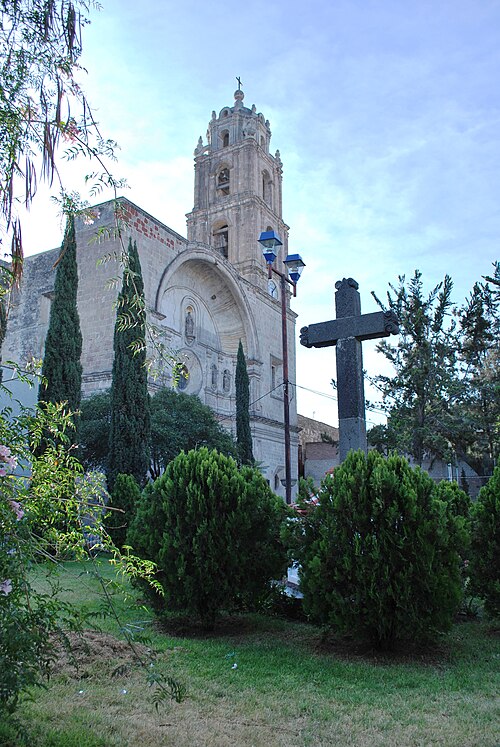
Zumpango is a city located in the State of Mexico, approximately 50 kilometers northeast of Mexico City. It serves as the municipal seat of the Zumpango municipality, which is part of the larger Greater Mexico City metropolitan area. The city has a rich history that dates back to the pre-Hispanic era, when it was inhabited by indigenous peoples such as the Chichimecas and Mexicas. The area is known for its archaeological significance, with remnants of ancient civilizations found nearby, including the important site of the Tepetlaoztoc ruins.
Zumpango has undergone significant urban development in recent years, driven by its proximity to the capital and its growing population. As a result, it has transformed from a primarily agricultural community into a rapidly urbanizing city, attracting residents from various parts of the country seeking economic opportunities. The local economy is diverse, with agriculture, commerce, and services playing crucial roles. Key economic activities include the production of crops such as corn and beans, alongside handicrafts and small-scale industries. The city's infrastructure has improved, with better transportation links and public services to accommodate its expanding population.
Culturally, Zumpango is characterized by its traditional festivals and local cuisine, which reflect its indigenous heritage and colonial influences. Celebrations often include religious events, such as the feast of the Virgin de la Asunción, showcasing the vibrant customs and community spirit that define the city. Zumpango is also known for its picturesque landscapes, including nearby forests and wetlands, making it a unique, natural area within the bustling expanse of the Mexico City metropolitan region. Overall, Zumpango represents a blend of historical significance, cultural richness, and modern development, contributing to its unique character within Mexico.
Facts about Zumpango
- Zumpango is known for its rich history as a pre-Hispanic settlement, with origins tracing back to the indigenous people of the area, including the Chichimeca and the Mexica.
- The city is home to the archaeological site known as Teotihuacan de Arista, which features ancient pyramids and structures that provide insight into the region's pre-colonial past.
- Zumpango's Lake, or Lago de Zumpango, is one of the largest lakes in the State of Mexico and is significant for its biodiversity, including numerous species of birds and aquatic life.
- The town hosts the annual Feria de Zumpango, a vibrant festival celebrated every September, showcasing local culture, gastronomy, and traditions through music, dance, and art.
- Zumpango is known for its unique handmade crafts, particularly in textile weaving and pottery, which reflect the indigenous heritage and artistic skills of local artisans.
- The city features the historic Church of San Juan Bautista, an important colonial-era religious structure that represents the blend of Indigenous and Spanish architectural styles.
- Zumpango played a notable role during the Mexican War of Independence, serving as a strategic location for various battles and movements throughout the conflict.
- The local gastronomy is highlighted by traditional dishes unique to Zumpango, including 'tlacoyos' and 'huaraches,' which showcase regional ingredients and culinary techniques.
- Zumpango is in close proximity to the Mexico City Metropolitan Area, making it a growing hub for individuals commuting to the capital for work while retaining its small-town charm.
- The city was historically a significant agricultural center, particularly known for the production of maize, which has been a staple in the diet of local communities for centuries.