Zwickau, Germany
- 98,796 people
- 14 places to visit
- 50.7177, 12.4969
Places to Visit (14)
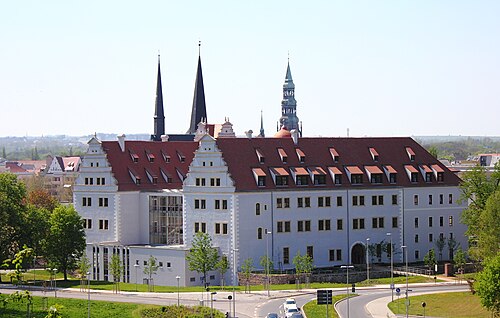
Zwickau is a city located in the federal state of Saxony, Germany, and is situated approximately 100 kilometers northwest of Dresden. With a population of around 90,000 residents, Zwickau is one of the largest cities in the state. The area has a rich history that dates back to the 12th century, originally flourishing as a center for mining and trade. The city is particularly known for its association with the production of brown coal, which became a significant economic driver in the 19th and 20th centuries. Zwickau's architecture reflects its historical significance, showcasing a mix of Gothic, Renaissance, and Baroque styles, with notable buildings such as the St. Mary's Church, a prime example of late Gothic architecture completed in the 15th century.
In the 20th century, Zwickau developed a reputation as an important center for the automotive industry, particularly as the origin of the famous Trabant car, produced between 1957 and 1991. The Automobilindustrie Zwickau GmbH, which was the former state-owned plant of the East German automobile manufacturer VEB Sachsenring, plays a critical role in the city's economy. Following the reunification of Germany, the automotive industry in Zwickau transitioned towards modern manufacturing, with Volkswagen establishing a significant production facility in the city in 1990. Today, Zwickau is seen as an important location for the production of electric vehicles, aligning with Germany's broader transition towards sustainable transportation solutions.
Culturally, Zwickau boasts a vibrant art and music scene, being the hometown of composer Robert Schumann. The city celebrates its cultural heritage with various events, including the Robert Schumann Festival, which honors the composer's legacy and attracts visitors globally. Zwickau also features several museums, such as the Robert Schumann House and the Zwickau City Museum, where locals and tourists can explore the city's history and contributions to the arts. With its blend of historical significance and modern innovation, Zwickau is a city that exemplifies the rich cultural and industrial heritage of Saxony, making it an intriguing destination for both history enthusiasts and those interested in contemporary developments in Germany’s automotive industry.
Facts about Zwickau
- Zwickau is known as the birthplace of the famous composer Robert Schumann, who was born there in 1810.
- The city played a significant role in the automotive industry, being the original home of the Saxon car manufacturer Horch, which was founded in 1899.
- Zwickau is home to the stunning Gothic-style St. Mary's Church (St. Marien), which dates back to the 14th century and features impressive stained glass windows.
- The city hosts the August Horch Museum, which showcases the history of automotive engineering and the impact of the Horch company.
- Zwickau was a key location in East Germany during the socialist era, featuring extensive residential areas built in the Plattenbau style, typical of the GDR.
- The city is situated on the Zwickauer Mulde River and is known for its beautiful landscapes, including the nearby Erzgebirge mountains.
- Zwickau has a vibrant cultural scene, hosting annual events such as the Zwickau Music Festival, which celebrates classical and contemporary music.
- Zwickau is recognized for its historical significance in the development of the 'Zwickau Constitution', a precursor to modern democratic ideas in the 16th century.
- The city has a rich industrial heritage, once being a center for lignite mining, which played a crucial role in fueling the region's economy during the 19th and 20th centuries.
- Zwickau is part of the Saxon Triangle, an area known for its technology and innovation, contributing significantly to Germany's engineering and manufacturing sectors.